
A Kind Word Is a Form of Charity: Meaning, Hadith, and Daily Islamic Lessons
A Kind Word Is a Form of Charity
A kind word is a form of charity is one of the most beautiful teachings of Islam. It reminds us that charity is not only money, food, clothes, or material help. Sometimes, charity is a gentle sentence, a sincere compliment, a comforting reminder, a respectful greeting, or a word that saves someone from sadness, shame, anger, or hopelessness.
The Prophet Muhammad ﷺ taught that “a good word is charity” as part of a wider hadith explaining that charity is due upon every joint of a person every day. The hadith mentions several forms of charity, including acting justly between two people, helping someone with their ride or luggage, walking toward prayer, removing harm from the road, and speaking a good word. (Sunnah)
This simple teaching changes how we see daily life. We do not need to be wealthy to give sadaqah. We do not need to wait for a special occasion. We can give charity through our tongue every single day. A kind word may cost us nothing, but it may mean everything to the person who hears it.
Hadith: A Good Word Is Charity
The hadith is reported from Abu Hurairah رضي الله عنه that the Messenger of Allah ﷺ said that charity is due upon every joint of a person every day the sun rises. Among the examples mentioned is:
“A good word is charity.”
This narration is reported in authentic hadith collections and is also quoted by IslamiCity with the wording: “It is also charity to utter a good word.” (IslamiCity)
Abu Amina Elias also cites the broader narration, including the statement that being just between two people is charity, helping someone with their animal and luggage is charity, a kind word is charity, every step toward the mosque is charity, and removing harmful things from the road is charity. (Abuamina Elias)
This hadith teaches that Islam expands the meaning of charity. Charity is not only something we give from our pockets. It is also something we give from our character. When our words bring comfort, peace, encouragement, guidance, reconciliation, or dignity, those words become sadaqah.
What Does “A Kind Word Is Charity” Mean?
The phrase “a kind word is charity” means that good speech can carry reward with Allah. A kind word may include anything that is truthful, beneficial, respectful, comforting, and pleasing to Allah. It can be a greeting, a dua, advice, encouragement, apology, appreciation, forgiveness, or a soft answer during conflict.
A kind word is not fake flattery. It is not lying to make someone happy. It is not praising sin or encouraging wrong behavior. In Islam, kind speech must remain truthful and beneficial. Sometimes kindness means comforting someone. Sometimes it means advising gently. Sometimes it means staying silent instead of speaking harshly.
This hadith also reminds us that the tongue is powerful. A single word can heal or hurt. It can bring people closer or push them apart. It can increase love or create hatred. It can calm an argument or light a fire. Because words are powerful, Islam teaches us to use them carefully.
Why Islam Values Kind Speech

Islam values kind speech because speech reflects the heart. A person’s words often reveal their character, patience, humility, anger, gratitude, and faith. Good words show mercy. Harsh words often show uncontrolled ego.
Allah commands believers to speak good words. The Quran repeatedly teaches respectful speech, truthful speech, gentle speech, and wise speech. The Prophet ﷺ also taught that one who believes in Allah and the Last Day should speak good or remain silent. This means speech is not a small matter. It is connected to faith.
Kind speech protects relationships. Families, marriages, friendships, communities, and workplaces are often strengthened or destroyed by words. Many wounds in life come not from physical harm, but from sentences people never forget. Islam closes this door by teaching us to make our words a source of charity rather than harm.
Examples of Kind Words in Daily Life
Kind words do not have to be long or complicated. A few sincere words can change someone’s day.
| Situation | Kind Word as Charity |
|---|---|
| Someone helps us | “JazakAllah khair, may Allah reward you.” |
| Someone is sad | “Allah knows your pain, and I am here for you.” |
| Someone makes a mistake | “We all make mistakes. Let us fix it together.” |
| A child tries hard | “We are proud of your effort.” |
| A spouse is tired | “Thank you for everything you did today.” |
| A parent sacrifices | “May Allah bless you for your care.” |
| A friend is worried | “Trust Allah; this difficulty will not last forever.” |
| Someone apologizes | “I forgive you for the sake of Allah.” |
| Someone feels hopeless | “Allah’s mercy is greater than any problem.” |
| A stranger greets us | “Wa alaikum assalam wa rahmatullah.” |
These words may look simple, but their effect can be deep. A tired mother may feel seen. A struggling student may feel encouraged. A worried friend may feel supported. A child may gain confidence. A spouse may feel loved. This is why Islam counts good speech as charity.
A Kind Word Can Be Better Than Money in Some Moments

Money helps when someone has financial need. Food helps when someone is hungry. Clothes help when someone lacks clothing. But sometimes a person does not need money first. They need hope, dignity, comfort, or reassurance.
A person grieving a loss may need gentle words more than advice. A child who failed an exam may need encouragement before correction. A spouse going through stress may need appreciation instead of criticism. A friend making tawbah may need hope in Allah’s mercy instead of shame.
This does not mean money is unimportant. Islam strongly encourages financial charity. But this hadith teaches that charity has many doors. If we cannot give wealth, we can still give kindness. If we cannot solve someone’s problem, we can still avoid increasing their pain. If we cannot carry their burden, we can still speak in a way that makes the burden lighter.
The Tongue Can Give Charity or Cause Harm

The same tongue that can earn reward through kind words can also earn sin through harmful words. Backbiting, lying, insulting, mocking, cursing, spreading rumors, humiliating others, and speaking with arrogance are dangerous uses of speech.
A believer should ask before speaking:
- Is this true?
- Is this beneficial?
- Is this the right time?
- Is this the right tone?
- Will this please Allah?
- Could silence be better?
Not every true statement needs to be said harshly. Not every correction needs to be public. Not every opinion needs to be shared. Sometimes the most charitable word is the one we choose not to say because it would hurt without benefit.
Kind Words in Family Life

The home should be the first place where kind speech is practiced. Sadly, many people speak politely to strangers but harshly to their own family. Islam does not accept this double standard. The people closest to us deserve our best character.
Kind Words for Parents
Parents often sacrifice silently. A kind word to them is a beautiful form of gratitude.
We can say:
“May Allah reward you for everything you have done for me.”
“I appreciate your sacrifices.”
“Please make dua for me.”
“May Allah grant you health and Jannah.”
Kind Words for Children
Children grow through words. A child who hears encouragement becomes more confident. A child who hears insults may carry those wounds for years.
We can say:
“You made a mistake, but you can fix it.”
“Allah loves those who tell the truth.”
“We are proud of your effort.”
“You are learning, and we will help you.”
Kind Words for Spouses
Marriage needs mercy in speech. A husband and wife should not use words as weapons.
We can say:
“Thank you for your patience.”
“I appreciate you.”
“I am sorry; I should not have spoken that way.”
“May Allah place love and mercy between us.”
A home filled with kind words becomes a home of emotional safety.
Kind Words During Conflict
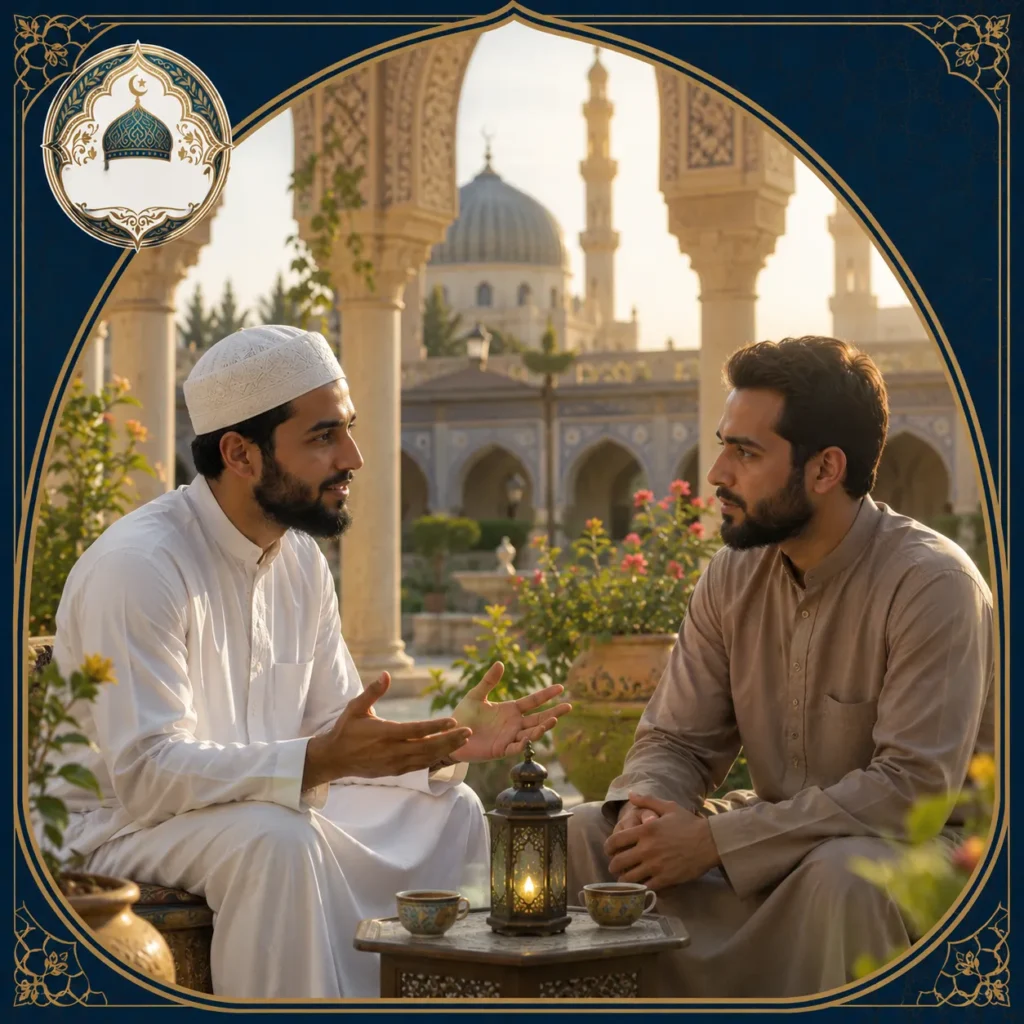
Kind speech is most valuable when we are angry. Anyone can speak nicely when everything is calm. Real character appears when emotions rise.
During conflict, kind words do not mean weakness. They mean self-control. We can disagree without insulting. We can correct without humiliating. We can be firm without being cruel.
Instead of saying:
“You always ruin everything.”
We can say:
“This hurt me, and we need to discuss it calmly.”
Instead of saying:
“You are useless.”
We can say:
“This responsibility needs more attention.”
Instead of shouting:
“I hate talking to you.”
We can say:
“I need a few minutes to calm down before we continue.”
A kind word during anger can stop a fight before it grows. It can protect a marriage, save a friendship, calm a child, and prevent regret.
Kind Words as Dawah

Good speech is one of the strongest forms of dawah. People may forget a lecture, but they remember how we made them feel. If our words are rude, arrogant, or harsh, people may reject our message even if the message is true. If our words are gentle, wise, and sincere, hearts may open.
Dawah is not only public speeches and debates. It is also daily manners. A Muslim who speaks honestly, respectfully, and kindly represents Islam beautifully. A kind greeting, a gentle explanation, and patient listening can become a means of guidance.
This is especially important online. Social media is full of arguments, insults, mockery, and harsh comments. A Muslim should not join this darkness. Before posting or replying, we should ask whether our words are sadaqah or a source of sin.
A Kind Word Can Protect From Hellfire

Another powerful hadith teaches that a person should protect themselves from the Hellfire even with half a date in charity, and if they cannot find that, then with a kind word. This narration is cited with the meaning that even when material charity is not available, good speech remains a door of goodness. (prophetmuhammad.com)
This hadith is deeply hopeful. It means no one is excluded from doing good. The poor person can still give charity through speech. The busy person can still give charity through a kind message. The young child can give charity by greeting someone kindly. The elderly person can give charity through dua and gentle advice.
Allah has made the doors of reward wide. We only need to walk through them.
Kind Words and Smiling

Kind speech often comes with a kind face. A harsh face can weaken even good words, while a gentle smile can make simple words feel warm. Islam teaches that even smiling in the face of a brother is charity.
A smile says, “You are welcome.” A kind word says, “You are valued.” Together, they create love between people.
This is especially important in families and communities. A masjid volunteer who smiles and greets people kindly can make newcomers feel welcome. A teacher who speaks gently can make students love learning. A parent who smiles while advising a child can make correction easier to accept.
Benefits of Kind Words in Islam
| Benefit | Explanation |
|---|---|
| Earns reward | Good speech is counted as charity |
| Softens hearts | Kind words reduce anger and resentment |
| Strengthens relationships | Families and communities grow through respectful speech |
| Spreads hope | Encouraging words help people through hardship |
| Protects from sin | Good speech replaces backbiting, insults, and mockery |
| Improves dawah | Gentle words make Islamic reminders more acceptable |
| Builds good character | Speech trains patience, humility, and mercy |
| Helps mental well-being | Comforting words can reduce loneliness and sadness |
| Creates peace at home | Kind speech lowers conflict |
| Pleases Allah | Truthful and beneficial speech is beloved in Islam |
Kind words benefit both the speaker and the listener. The listener receives comfort, and the speaker receives reward.
How to Make Kind Speech a Daily Habit
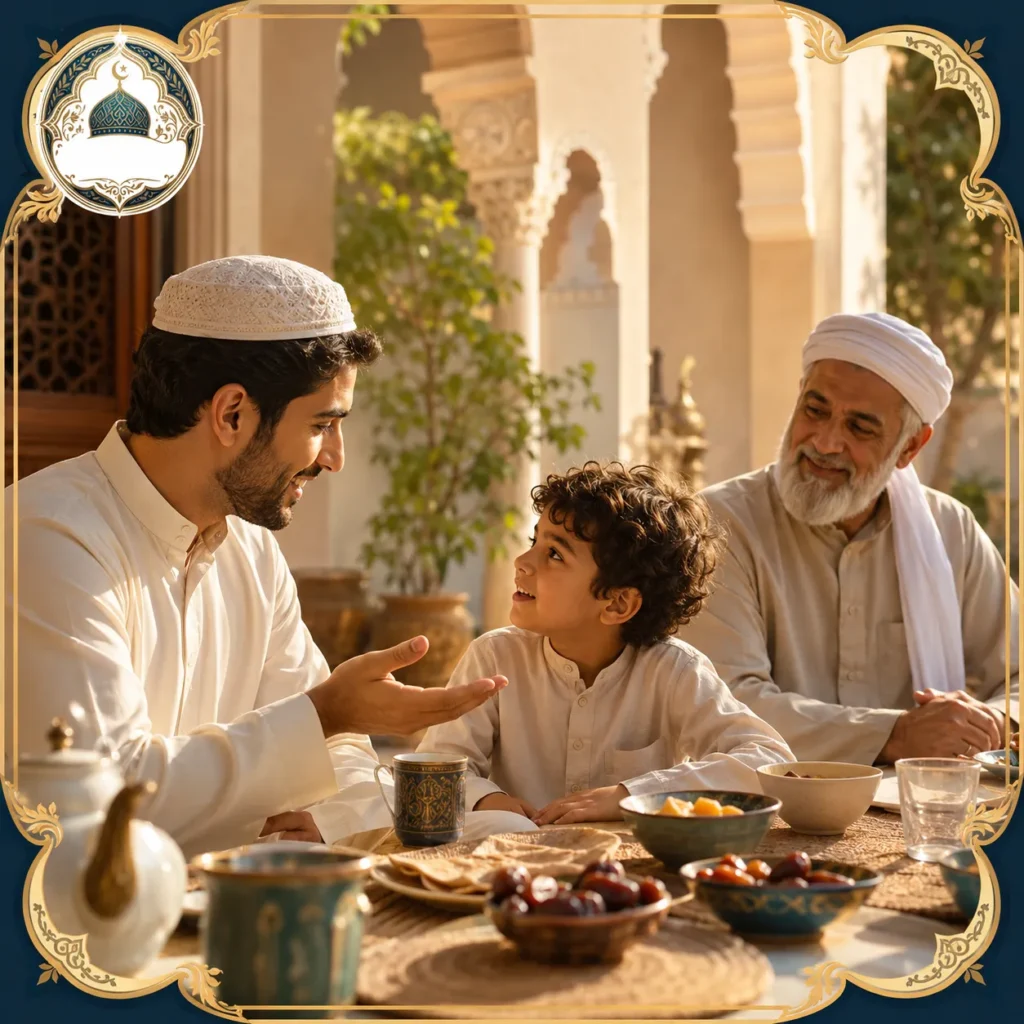
Kind speech must be practiced intentionally. If we leave the tongue uncontrolled, it may follow anger, habit, ego, or social pressure. We need a plan.
1. Begin With Salam
Make greeting others with salam a habit. Salam spreads peace and reminds us that our relationship begins with dua.
2. Say JazakAllah Khair Often
Thank people sincerely. Appreciation is a kind word that many people are starving for.
3. Praise Effort, Not Only Results
This is especially important with children, students, spouses, and employees. Effort deserves recognition.
4. Make Dua for People Out Loud
Say, “May Allah bless you,” “May Allah make it easy,” “May Allah reward you,” and “May Allah heal you.”
5. Replace Criticism With Gentle Advice
Correction is sometimes necessary, but the tone should be wise.
6. Pause Before Responding in Anger
A few seconds of silence can save years of regret.
7. Avoid Public Humiliation
If advice is needed, give it privately when possible.
8. Send Encouraging Messages
A short message can be sadaqah: “I was thinking of you. May Allah make things easy for you.”
Kind Words Children Should Learn

Children should be trained to speak kindly from an early age. Good speech is part of Islamic upbringing.
Parents can teach children phrases such as:
- Assalamu alaikum
- Please
- Thank you
- JazakAllah khair
- I am sorry
- May Allah bless you
- Can I help you?
- Are you okay?
- I forgive you
- Alhamdulillah
Children learn these phrases best when they hear adults using them. If parents shout, insult, and mock others, children will copy that. If parents speak with mercy, children will absorb mercy.
Kind Words in the Workplace and Community

Kind speech is not limited to home. It is needed in workplaces, schools, shops, masjids, neighborhoods, and online spaces.
At work, kind words can reduce stress and build teamwork. In school, kind words can protect children from bullying and shame. In the masjid, kind words can make people feel welcome. In the community, kind words can heal tension and create unity.
Examples include:
“You did well on this task.”
“Thank you for your effort.”
“Let us solve this together.”
“I understand your concern.”
“May Allah make your work easy.”
These words do not weaken professionalism. They strengthen trust.
When Silence Is Better Than Speech

Kind speech is charity, but silence can also be wisdom. If we cannot speak good, we should avoid speaking harm. Silence is better than gossip, mockery, anger, falsehood, and useless argument.
We should choose silence when:
- We are too angry to be fair.
- We do not know the full truth.
- Our words will increase conflict.
- We are tempted to backbite.
- We want to show off.
- Advice will not be accepted at that moment.
- We only want to win an argument.
Silence can protect our good deeds. Many people lose reward because they cannot control the tongue.
A Kind Word Is Charity
Beautiful speech brings reward, peace, and better character.
Short Islamic Quotes About Kind Words
“A kind word may be small on the tongue but heavy on the scale.”
“Speak in a way that heals, not in a way that wounds.”
“If your words cannot help, let your silence protect you.”
“A gentle sentence can be sadaqah for a broken heart.”
“The believer’s tongue should carry mercy, not poison.”
“Kind speech is free, but its reward can be priceless.”
“A soft word can open a heart that harshness would close.”
“Before you speak, ask whether your words will please Allah.”
Conclusion
A kind word is a form of charity teaches us that goodness is available every day, in every conversation, and for every person. We do not need wealth to give sadaqah. We can give charity through a greeting, a dua, a comforting reminder, sincere appreciation, gentle advice, or a soft response during anger.
The Prophet Muhammad ﷺ taught that a good word is charity, placing kind speech among the daily acts of sadaqah that believers can perform. This hadith opens a beautiful door of reward. It reminds us that our tongues can either become a source of mercy or a source of harm.
Let our words bring comfort to the sad, confidence to children, peace to families, respect to spouses, hope to the struggling, and guidance to those who need truth. May Allah purify our tongues, soften our hearts, and make our speech a charity that benefits us in this world and the Hereafter.
FAQs
1. What does “a kind word is charity” mean in Islam?
“A kind word is charity” means that good, truthful, and beneficial speech can earn reward from Allah. In Islam, charity is not only money or material help. A gentle word, sincere dua, respectful greeting, comforting reminder, or helpful advice can also become sadaqah when spoken with a good intention.
2. Is “a good word is charity” a hadith?
Yes, “a good word is charity” is from an authentic hadith of Prophet Muhammad ﷺ. The hadith teaches that charity is due upon every joint of a person each day, and one of the examples mentioned is speaking a good word.
3. What are examples of kind words in Islam?
Examples of kind words in Islam include “JazakAllah khair,” “May Allah bless you,” “May Allah make it easy for you,” “I forgive you for the sake of Allah,” “Allah’s mercy is greater than your problem,” and “We all make mistakes; let us fix it together.”
4. Why is kind speech important in Islam?
Kind speech is important in Islam because words can heal or hurt people. Good speech reflects mercy, patience, humility, and faith. Islam teaches Muslims to speak truthfully, gently, and wisely because the tongue can either become a source of reward or a source of sin.
5. Can kind words be sadaqah?
Yes, kind words can be sadaqah. If your words bring comfort, hope, encouragement, peace, guidance, or dignity to another person, they can be counted as charity by Allah. Even a short message or respectful greeting can become a form of sadaqah.
6. What does Islam say about speaking good or staying silent?
Islam teaches that a believer should speak good or remain silent. This means we should avoid lying, gossip, insults, mockery, harshness, and useless arguments. If our words will not bring benefit, silence may be better.
7. Is giving advice considered a kind word?
Yes, giving advice can be a kind word if it is truthful, gentle, private, and beneficial. In Islam, advice should not be used to shame or humiliate someone. The best advice is given with mercy, wisdom, and sincerity.
DuaRoom Islamic Resources
Beautiful Islamic articles, duas, Quran guidance, quotes, dhikr, and spiritual reminders.