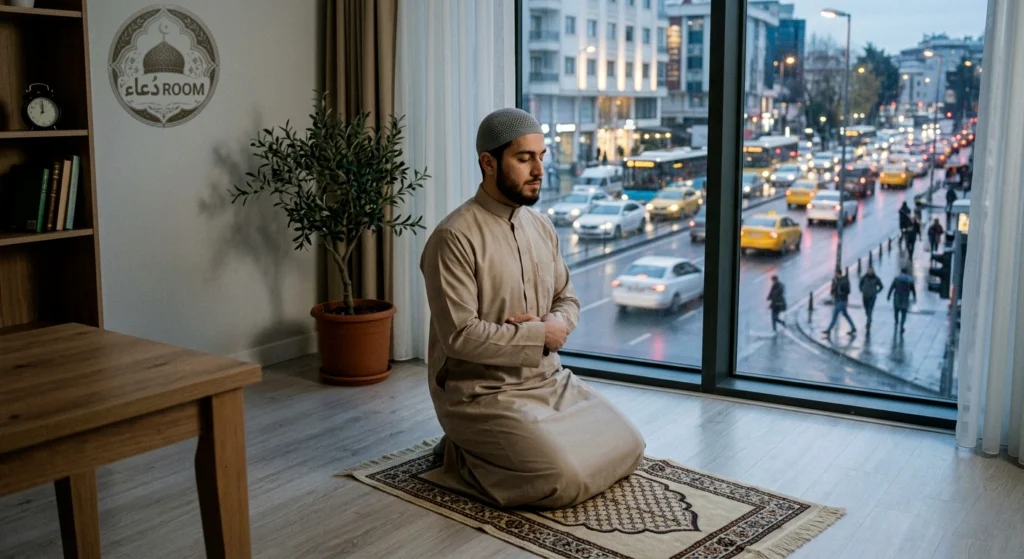
When Should You Send Durood Shareef? Best Times to Recite Salawat Upon Prophet Muhammad ﷺ
The Blessed Act of Sending Durood Upon the Prophet ﷺ
Sending Durood Shareef, also known as Salawat, upon Prophet Muhammad ﷺ is one of the most beloved acts of remembrance in Islam. It is simple on the tongue, deep in meaning, and powerful in reward. Every Muslim should know when to send Durood, why it is important, and how to make it a daily habit.
Allah Himself commands the believers to send blessings and peace upon the Prophet ﷺ. In Surah Al-Ahzab, Allah says that He and His angels send blessings upon the Prophet ﷺ, then commands the believers to send blessings and peace upon him. (Quran.com)
Durood is not limited to one time, one place, or one occasion. We can send Durood at any time. However, there are special moments when sending Salawat is especially recommended, such as on Friday, during dua, after the adhan, in salah, when the Prophet’s name ﷺ is mentioned, and during daily morning and evening remembrance.
This complete guide explains the best times to send Durood Shareef, the meaning of Salawat, its benefits, authentic reminders, and practical routines for daily recitation.

What Is Durood Shareef?
Durood Shareef means invoking Allah’s blessings and peace upon Prophet Muhammad ﷺ. In Arabic, this is commonly called Salawat or Salah ‘ala an-Nabi.
When we say:
Allahumma salli ‘ala Muhammad
we are asking Allah to send blessings upon Prophet Muhammad ﷺ.
When we say:
Sallallahu ‘alayhi wa sallam
we are saying:
May Allah send blessings and peace upon him.
Durood is an act of worship, love, respect, obedience, and gratitude. It connects the believer to the Messenger of Allah ﷺ and reminds the heart of his mercy, guidance, sacrifice, and noble Sunnah.
Why Should We Send Durood Upon Prophet Muhammad ﷺ?

1. Because Allah Commands It
The strongest reason to send Durood is that Allah commands the believers to do so in the Qur’an. Surah Al-Ahzab 33:56 clearly instructs believers to invoke blessings and peace upon the Prophet ﷺ. (Quran.com)
This means Durood is not merely a cultural phrase or optional expression of respect. It is rooted in the Book of Allah.
2. Because It Shows Love for the Prophet ﷺ
A believer’s love for Prophet Muhammad ﷺ should appear in words, actions, manners, and obedience. Sending Durood is one of the clearest ways to express that love.
The Prophet ﷺ guided us to Islam, taught us how to worship Allah, explained the Qur’an, showed us mercy, and cared deeply for his Ummah. Sending blessings upon him is a sign of gratitude for that guidance.
3. Because It Brings Great Reward
A well-known hadith states that whoever sends blessings upon the Prophet ﷺ once, Allah sends blessings upon that person ten times. (Abuamina Elias)
This shows the generosity of Allah. A short phrase recited sincerely can bring multiplied reward and spiritual elevation.
4. Because It Protects the Heart From Neglect
The Prophet ﷺ warned against failing to send blessings upon him when his name is mentioned. A hadith describes the miser as the one in whose presence the Prophet ﷺ is mentioned but he does not send blessings upon him. (Abuamina Elias)
This teaches us that sending Durood is part of proper adab, love, and respect.
Best Times to Send Durood Shareef

1. Whenever the Name of Prophet Muhammad ﷺ Is Mentioned
One of the most important times to send Durood is whenever we hear, say, read, or write the name of Prophet Muhammad ﷺ.
When we hear the blessed name of the Prophet ﷺ, we should say:
Sallallahu ‘alayhi wa sallam
or:
Allahumma salli ‘ala Muhammad
This is a sign of respect and love. Some scholars consider sending blessings upon the Prophet ﷺ obligatory whenever his name is mentioned, while others consider it highly emphasized. IslamQA notes that hadiths describing the one who fails to do so as miserly support the view that sending blessings upon him when he is mentioned is strongly required. (Islam-QA)
2. On Friday: The Best Weekly Time for Salawat
Friday, or Jumu‘ah, is one of the best times to increase Durood Shareef. Muslims should make Friday a special day for sending abundant blessings upon Prophet Muhammad ﷺ.
A narration encourages believers to increase Salawat on the day and night of Friday, and mentions the reward of Allah blessing the person ten times for sending blessings once. (Abuamina Elias)
Friday Durood routine:
- Send Durood after Fajr.
- Recite Salawat before Jumu‘ah prayer.
- Send Durood during free moments throughout the day.
- Increase Salawat between Asr and Maghrib.
- End Friday night with Durood before sleeping.
A simple Friday habit is to recite:
Allahumma salli wa sallim ‘ala Nabiyyina Muhammad
as often as possible.
3. During Dua
Sending Durood during dua is one of the best etiquettes of supplication. We should begin by praising Allah, then send blessings upon Prophet Muhammad ﷺ, then make our dua with humility and hope.
A beautiful structure for dua is:
- Praise Allah.
- Send Durood upon the Prophet ﷺ.
- Ask Allah for forgiveness, guidance, needs, and mercy.
- End again with praise and Durood.
This makes our dua more complete and spiritually beautiful. It reminds us that supplication should be made with adab, humility, and love.
4. After the Adhan
After the adhan, Muslims are encouraged to repeat the words of the mu’adhdhin, then send blessings upon the Prophet ﷺ, and then ask Allah to grant him Al-Wasilah, the special rank mentioned in the Sunnah.
A simple practice after the adhan is:
Allahumma salli ‘ala Muhammad
Then recite the dua after adhan.
This habit connects the call to prayer with love for the Messenger ﷺ, who taught us the prayer and invited us to worship Allah correctly.
5. In Salah During Tashahhud
One of the most important times to recite Durood is during salah, after tashahhud. The most famous form recited in prayer is Durood Ibrahim.
Durood Ibrahim Transliteration
Allahumma salli ‘ala Muhammad wa ‘ala aali Muhammad, kama sallayta ‘ala Ibrahima wa ‘ala aali Ibrahima, innaka Hamidum Majid. Allahumma barik ‘ala Muhammad wa ‘ala aali Muhammad, kama barakta ‘ala Ibrahima wa ‘ala aali Ibrahima, innaka Hamidum Majid.
English Meaning
O Allah, send blessings upon Muhammad and upon the family of Muhammad, as You sent blessings upon Ibrahim and upon the family of Ibrahim. Indeed, You are Praiseworthy and Glorious. O Allah, bless Muhammad and the family of Muhammad, as You blessed Ibrahim and the family of Ibrahim. Indeed, You are Praiseworthy and Glorious.
This Durood is among the most complete and widely recited forms because it is part of the prayer.
6. In the Morning and Evening
Morning and evening are excellent times for dhikr, dua, and Salawat. A believer can build a simple daily routine by sending Durood after Fajr and after Asr or Maghrib.
A practical routine:
- 10 times after Fajr
- 10 times after Maghrib
- More throughout the day when possible
This routine is easy for beginners and powerful for consistency. The goal is not only counting; the goal is sincerity, remembrance, and love.
7. Before Sleeping
Before sleeping, we should end the day with remembrance of Allah. Sending Durood before sleep is a peaceful way to close the day with love for the Prophet ﷺ.
A short bedtime Durood:
Sallallahu ‘ala Muhammad ﷺ
or:
Allahumma salli wa sallim ‘ala Nabiyyina Muhammad ﷺ
This helps the heart sleep upon remembrance instead of worry, distraction, or heedlessness.
8. When Entering or Leaving the Masjid
The masjid is a place of worship, prayer, Qur’an, and remembrance. Many scholars mention sending blessings upon the Prophet ﷺ as part of the etiquette of entering and leaving the masjid, along with the established duas.
When entering the masjid, we should enter with respect, humility, and remembrance. Sending Durood at this moment reminds us that the Prophet ﷺ taught the Ummah how to worship Allah in the best way.
9. During Gatherings of Knowledge and Islamic Reminders
Whenever Muslims gather for Islamic learning, khutbahs, lectures, Qur’an study, hadith lessons, or reminders, sending Durood should naturally be part of the gathering.
When the Prophet ﷺ is mentioned during a lecture or reminder, we should send blessings upon him. This keeps the gathering filled with adab, love, and spiritual benefit.
However, one should avoid inventing fixed numbers, fixed group rituals, or specific practices without evidence. IslamQA discusses concerns around assigning specific numbers or formats as binding without proof. (Islam-QA)
10. When Writing Islamic Content
Whenever we write the name of Prophet Muhammad ﷺ in articles, books, posts, captions, messages, or study notes, we should write a form of blessing such as:
ﷺ
or:
Sallallahu ‘alayhi wa sallam
This is part of respect and Islamic etiquette.
Writers, bloggers, students, and teachers should be especially careful about this because they may mention the Prophet ﷺ many times in Islamic content.
11. During Times of Stress, Sadness, and Anxiety
Durood brings peace to the tongue and comfort to the heart. When we are stressed, sad, anxious, or overwhelmed, sending Salawat redirects the heart toward Allah and His Messenger ﷺ.
Instead of allowing the tongue to complain constantly, we can fill it with:
Allahumma salli ‘ala Muhammad
This does not mean we ignore problems. It means we face them with remembrance, faith, and spiritual strength.
12. While Walking, Working, Traveling, or Waiting
One of the easiest ways to increase Durood is to recite it during empty moments:
- Walking to work
- Waiting in line
- Traveling
- Sitting in transport
- Taking a break
- Before starting study
- Between tasks
- While doing simple chores
Durood is short and easy. It turns ordinary moments into worship.
Can We Send Durood at Any Time?

Yes, we can send Durood at any time. There is no restriction that Salawat can only be recited in specific moments. The believer may send blessings upon Prophet Muhammad ﷺ during the day, at night, while alone, in gatherings, before dua, after prayer, and whenever the heart remembers him.
IslamQA states that our Salawat upon the Prophet ﷺ are conveyed to him at all times, based on hadith evidence. (Islam-QA)
This should encourage us to recite Durood often without thinking it is limited to only Friday or only after salah.
Best Short Durood Shareef to Recite Daily
1. Very Short Durood
Sallallahu ‘ala Muhammad ﷺ
Meaning:
May Allah send blessings upon Muhammad ﷺ.
2. Simple Daily Durood
Allahumma salli ‘ala Muhammad
Meaning:
O Allah, send blessings upon Muhammad.
3. Durood With Salam
Allahumma salli wa sallim ‘ala Nabiyyina Muhammad
Meaning:
O Allah, send blessings and peace upon our Prophet Muhammad.
4. Durood Upon the Prophet ﷺ and His Family
Allahumma salli ‘ala Muhammad wa ‘ala aali Muhammad
Meaning:
O Allah, send blessings upon Muhammad and upon the family of Muhammad.
5. Durood Ibrahim
Allahumma salli ‘ala Muhammad wa ‘ala aali Muhammad, kama sallayta ‘ala Ibrahima wa ‘ala aali Ibrahima, innaka Hamidum Majid. Allahumma barik ‘ala Muhammad wa ‘ala aali Muhammad, kama barakta ‘ala Ibrahima wa ‘ala aali Ibrahima, innaka Hamidum Majid.
This is the most complete form for salah and one of the most famous forms of Durood.
How Many Times Should We Recite Durood?

There is no single fixed number that every Muslim must recite daily outside the specific acts of worship where Durood is prescribed.
A person may recite Durood:
- 10 times
- 100 times
- 1,000 times
- More or less according to ability
The important thing is not to believe that a self-chosen number is religiously required unless there is authentic evidence for it. IslamQA warns against defining fixed numbers or specific forms as binding without proof. (Islam-QA)
A good approach is:
- Recite consistently.
- Avoid burdening yourself.
- Increase on Friday.
- Recite with meaning and sincerity.
- Do not argue over numbers.
- Do not turn personal routines into compulsory religious rules for others.
Daily Durood Routine for Beginners

Simple 5-Minute Routine
After Fajr
Recite:
Allahumma salli ‘ala Muhammad
10 times.
During the Day
Whenever you remember, say:
Sallallahu ‘alayhi wa sallam
especially when the Prophet ﷺ is mentioned.
Before Dua
Send Durood once or three times before making dua.
After Maghrib or Isha
Recite:
Allahumma salli wa sallim ‘ala Nabiyyina Muhammad
10 times.
Before Sleeping
End the day with:
Sallallahu ‘ala Muhammad ﷺ
This small routine is easy to maintain and can gradually grow.
Friday Durood Routine

Friday is the best day to increase Salawat. A practical Friday routine may look like this:
After Fajr
Recite Durood 100 times if possible, or any amount that is easy.
Before Jumu‘ah Prayer
Send Durood while preparing, walking, driving, or sitting in the masjid.
After Asr
Spend a few quiet minutes sending Salawat and making dua.
Before Maghrib
Increase dua and Durood in the final part of Friday.
Friday Night
End the night with Salawat before sleeping.
The purpose is not only quantity. The purpose is love, remembrance, and obedience.
Benefits of Sending Durood Shareef

1. Allah Sends Blessings Upon the One Who Sends Durood
The Prophet ﷺ taught that whoever sends blessings upon him once, Allah blesses that person ten times. (Abuamina Elias)
This is one of the greatest benefits of Durood.
2. It Increases Love for Prophet Muhammad ﷺ
The more we send Durood, the more we remember the Prophet ﷺ. The more we remember him, the more we should love his Sunnah, his character, his mercy, and his guidance.
3. It Beautifies Dua
Durood gives adab and beauty to supplication. It reminds us to praise Allah and honor His Messenger ﷺ before asking for our needs.
4. It Revives the Sunnah in the Heart
A person who frequently sends Durood should also become more eager to follow the Prophet ﷺ in daily life.
Durood should lead to:
- Better salah
- Better manners
- More honesty
- More mercy
- More humility
- More love for the Sunnah
- More obedience to Allah
5. It Brings Barakah Into Time
Durood turns empty moments into worship. A person who recites Salawat while waiting, walking, or traveling fills ordinary time with remembrance.
6. It Protects Against Spiritual Neglect
The one who ignores Durood when the Prophet ﷺ is mentioned is described in hadith as miserly. (Abuamina Elias)
This shows that sending blessings upon the Prophet ﷺ protects the believer from coldness, neglect, and poor adab.
Etiquette of Sending Durood

Recite With Respect
Durood should not be treated like ordinary speech. It should be recited with love and reverence.
Understand the Meaning
Learning the meaning of Durood helps the heart connect with the words.
Avoid Rushing Only for Numbers
Large numbers are good if recited sincerely, but a smaller amount with presence of heart is better than careless repetition.
Follow the Sunnah
The strongest proof of love for the Prophet ﷺ is following his teachings.
Avoid Invented Obligations
Personal routines are fine, but we should not declare specific numbers, times, or forms as religiously compulsory without authentic evidence.
Common Mistakes About Durood Shareef
Mistake 1: Only Sending Durood on Friday
Friday is special, but Durood can be recited every day and at any time.
Mistake 2: Forgetting Durood When the Prophet ﷺ Is Mentioned
Whenever his blessed name is mentioned, we should immediately send blessings upon him.
Mistake 3: Reciting Without Understanding
Understanding the meaning increases humility and love.
Mistake 4: Arguing Over Valid Wordings
There are different valid forms of Salawat. The best approach is to use authentic and respectful wording.
Mistake 5: Reciting Durood but Ignoring the Sunnah
Durood should inspire obedience. Love is not only spoken; it is lived.
Short Durood Shareef for WhatsApp Status
- Sallallahu ‘ala Muhammad ﷺ
- Allahumma salli ‘ala Muhammad ﷺ
- Send Durood today; the heart needs Salawat.
- Friday is for Quran, dua, and abundant Durood.
- A tongue busy with Salawat is blessed.
- Love the Prophet ﷺ, follow his Sunnah, send Durood upon him.
- Allahumma salli wa sallim ‘ala Nabiyyina Muhammad ﷺ
- Make Durood your daily habit.
- When his name ﷺ is mentioned, send blessings.
- Salawat brings light to the heart.
Beautiful Quotes About Sending Durood
- Durood is love expressed through remembrance.
- Salawat is short on the tongue but great in reward.
- A believer’s day becomes brighter when it includes Durood.
- Sending blessings upon the Prophet ﷺ connects the heart to mercy.
- The more we remember the Prophet ﷺ, the more we should follow his Sunnah.
- Durood is not only a phrase; it is a sign of love and loyalty.
- A heart that loves the Prophet ﷺ does not forget to send blessings upon him.
- Friday becomes more beautiful with abundant Salawat.
- Durood is a daily bridge between love and obedience.
- The tongue that sends Salawat often carries a noble habit.
When Should You Send Durood Shareef?
Best moments to recite Salawat upon Prophet Muhammad ﷺ.
flowchart TD
    A["Send
Durood Shareef"] --> B["When Prophet
Muhammad ﷺ
Is Mentioned"]
    A --> C["On Friday
and Friday Night"]
    A --> D["During
Dua"]
    A --> E["After
Adhan"]
    A --> F["In Salah
During Tashahhud"]
    A --> G["Morning
and Evening"]
    A --> H["Before
Sleeping"]
    A --> I["While Traveling
or Waiting"]
    A --> J["During Islamic
Gatherings"]

    B --> K["Love
and Respect"]
    C --> L["Increased
Reward"]
    D --> M["Better Dua
Etiquette"]
    E --> N["Remembrance After
Call to Prayer"]
    F --> O["Complete
Salah"]
    G --> P["Daily Spiritual
Routine"]
    H --> Q["Peaceful Ending
to the Day"]
    I --> R["Turning Free Time
Into Worship"]
    J --> S["Gatherings Filled
With Adab"]
Daily Durood Routine
A simple routine for beginners to build the habit of sending Durood.
flowchart LR
    A["Fajr"] --> B["10
Salawat"]
    B --> C["Work
or Study"]
    C --> D["Send Durood
in Free Moments"]
    D --> E["Dua
Time"]
    E --> F["Begin and End Dua
With Durood"]
    F --> G["Maghrib
or Isha"]
    G --> H["10
Salawat"]
    H --> I["Before
Sleep"]
    I --> J["End the Day
With Salawat"]
Frequently Asked Questions About When to Send Durood
When should we send Durood Shareef?
We should send Durood whenever Prophet Muhammad ﷺ is mentioned, during dua, after adhan, in salah, on Friday, in the morning and evening, before sleeping, and at any time throughout the day.
Can we send Durood at any time?
Yes. Durood can be recited at any time. Salawat upon the Prophet ﷺ are conveyed to him at all times, according to hadith evidence mentioned by scholars. (Islam-QA)
What should we say when Prophet Muhammad ﷺ is mentioned?
We should say:
Sallallahu ‘alayhi wa sallam
Meaning:
May Allah send blessings and peace upon him.
Is Friday the best day to send Durood?
Friday is one of the best times to increase Durood. A narration encourages believers to send abundant Salawat on the day and night of Friday. (Abuamina Elias)
How many times should we send Durood daily?
There is no fixed daily number required for everyone. We can recite as much as we are able. However, we should avoid believing that a specific self-chosen number is religiously compulsory without evidence. (Islam-QA)
What is the shortest Durood?
One short Durood is:
Sallallahu ‘ala Muhammad ﷺ
Another easy form is:
Allahumma salli ‘ala Muhammad
What is the best Durood to recite in salah?
Durood Ibrahim is the famous Durood recited in salah after tashahhud.
Should Durood be recited before dua?
Yes, it is from good etiquette to praise Allah and send blessings upon the Prophet ﷺ before making dua.
Conclusion: Make Salawat a Daily Habit of Love, Reward, and Remembrance
Durood Shareef is one of the easiest and most rewarding forms of remembrance. We should send blessings upon Prophet Muhammad ﷺ when his name is mentioned, during dua, after adhan, in salah, on Friday, in the morning and evening, before sleeping, and throughout the day.
The believer does not wait for a special occasion to remember the Prophet ﷺ. Love should be frequent. Respect should be immediate. Salawat should become a natural part of our speech and daily routine.
We should recite Durood with sincerity, understand its meaning, increase it on Friday, avoid careless repetition, and allow it to strengthen our love for the Sunnah.
Allahumma salli wa sallim ‘ala Nabiyyina Muhammad wa ‘ala aali Muhammad.