So Remember Me; I Will Remember You
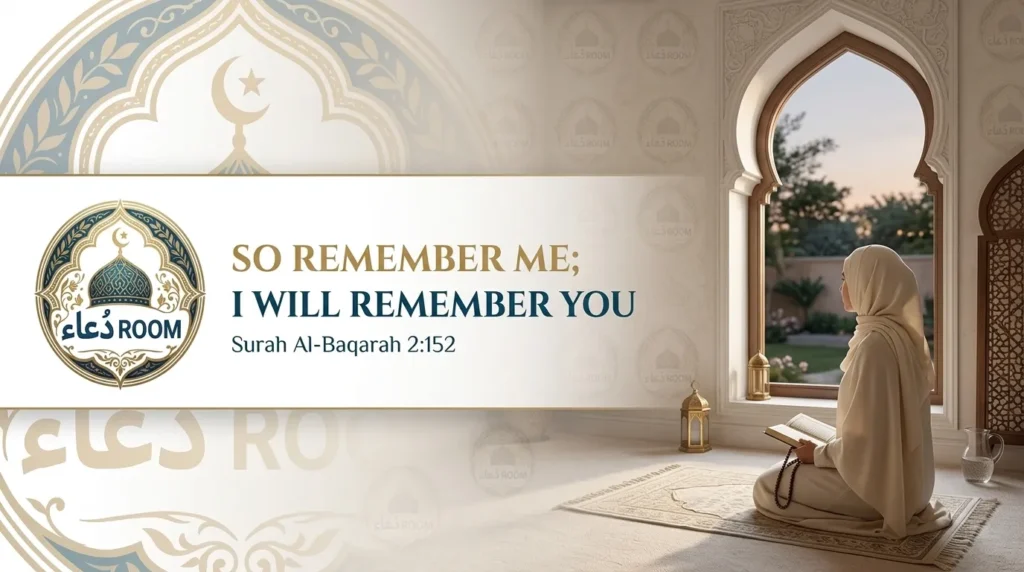
The Quranic phrase “So remember Me; I will remember you” is one of the most comforting and powerful reminders in the Quran. It comes from Surah Al-Baqarah 2:152, where Allah says:
“So remember Me; I will remember you. And thank Me, and never be ungrateful.”
Surah Al-Baqarah 2:152 (Quran.com)
This verse is short, but its meaning is deeply moving. It teaches us that when we remember Allah through faith, worship, gratitude, obedience, prayer, dua, and dhikr, Allah remembers us in a way that suits His Majesty. For a believer, there is no honor greater than being remembered by Allah.
The verse also connects remembrance of Allah with gratitude. It does not only say, “Remember Me.” It also says, “Thank Me, and never be ungrateful.” This means true remembrance is not limited to words on the tongue. It must also appear in the heart, actions, choices, and attitude toward Allah’s blessings.
Surah Al-Baqarah 2:152 in Arabic, Transliteration, and English
Arabic Text
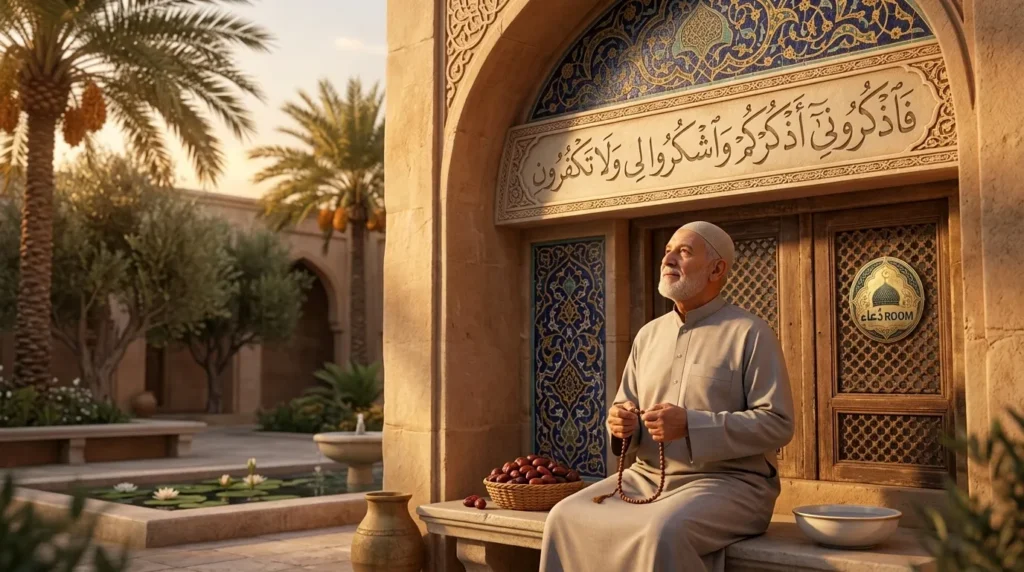
فَٱذْكُرُونِيٓ أَذْكُرْكُمْ وَٱشْكُرُوا۟ لِي وَلَا تَكْفُرُونِ
Transliteration
Fadhkurūnī adhkurkum washkurū lī wa lā takfurūn
English Meaning
“So remember Me; I will remember you. And thank Me, and never be ungrateful.” (Quran.com)
This ayah is easy to memorize and powerful to reflect on. It can become a daily reminder for the heart: whenever we feel forgotten, unseen, lonely, anxious, or distant, the way back is open. We remember Allah, and Allah remembers us.
What Does “So Remember Me; I Will Remember You” Mean?
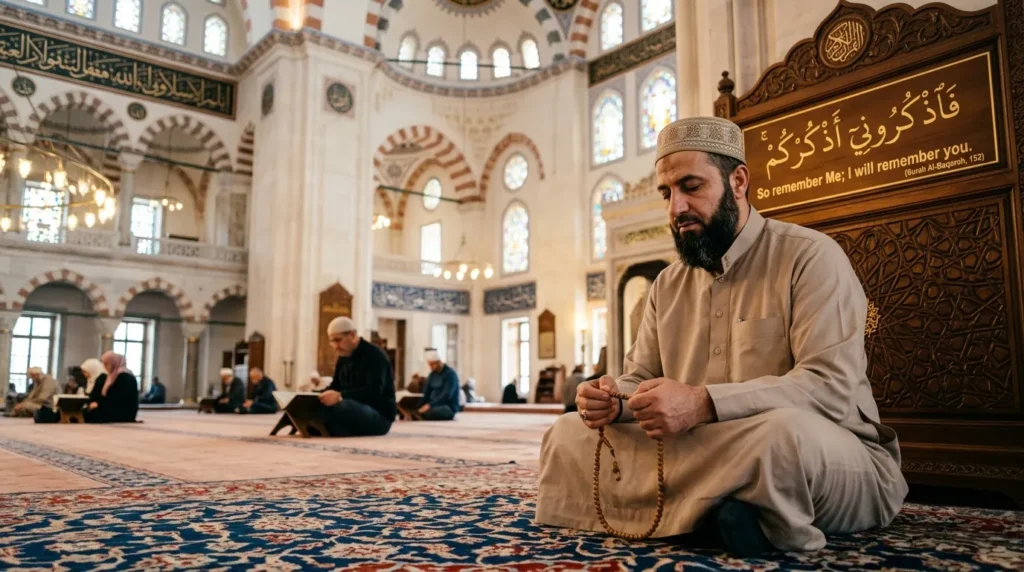
The phrase “So remember Me” means we should keep Allah present in our lives. We remember Him through salah, Quran recitation, dua, dhikr, obedience, gratitude, repentance, and avoiding sins. Remembering Allah is not only something we do after prayer. It is a way of living with awareness that Allah sees us, provides for us, guides us, and will return us to Him.
The phrase “I will remember you” is an incredible promise. It means Allah responds to the servant who turns to Him. Tafsir sources explain that when a Muslim remembers Allah, Allah remembers that person, and this promise allows every believer to know that turning to Allah is never ignored. (Quran.com)
This gives the believer hope. People may forget us. Friends may leave. Family may not understand our pain. The world may overlook our effort. But Allah never overlooks the one who sincerely remembers Him.
The Connection Between Dhikr and Gratitude
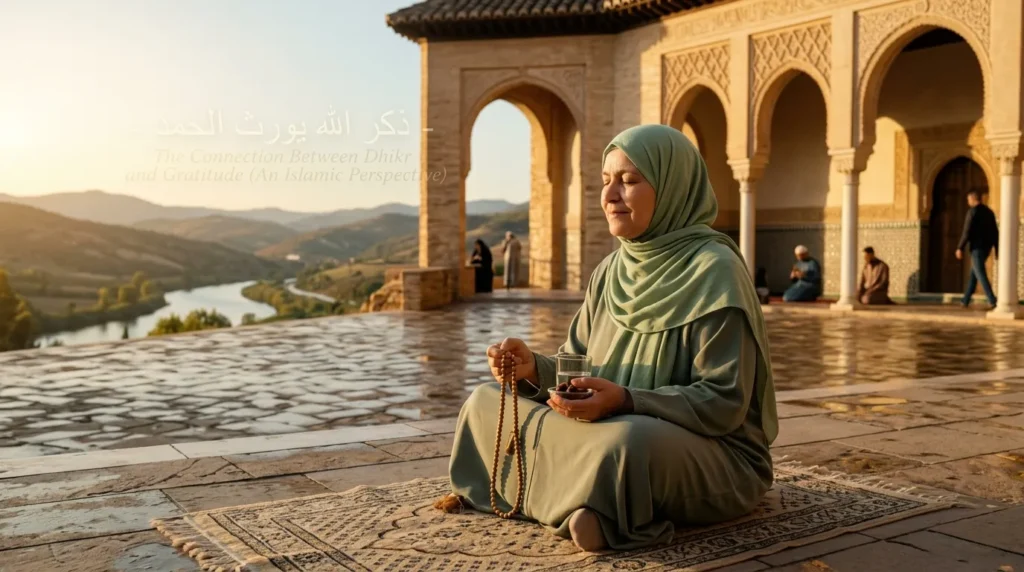
Surah Al-Baqarah 2:152 does not end with remembrance. It continues:
“And thank Me, and never be ungrateful.”
This shows that dhikr and shukr belong together. Dhikr means remembering Allah, while shukr means thanking Allah. A person who remembers Allah properly will naturally become grateful. Why? Because remembering Allah makes us notice His blessings.
When we remember Allah, we remember that our health is from Him, our food is from Him, our family is from Him, our safety is from Him, our iman is from Him, and even the ability to say Alhamdulillah is from Him. Gratitude protects the heart from arrogance, complaint, jealousy, and entitlement.
A grateful person does not see blessings as random. A grateful person sees blessings as gifts from Allah.
Tafsir of Surah Al-Baqarah 2:152
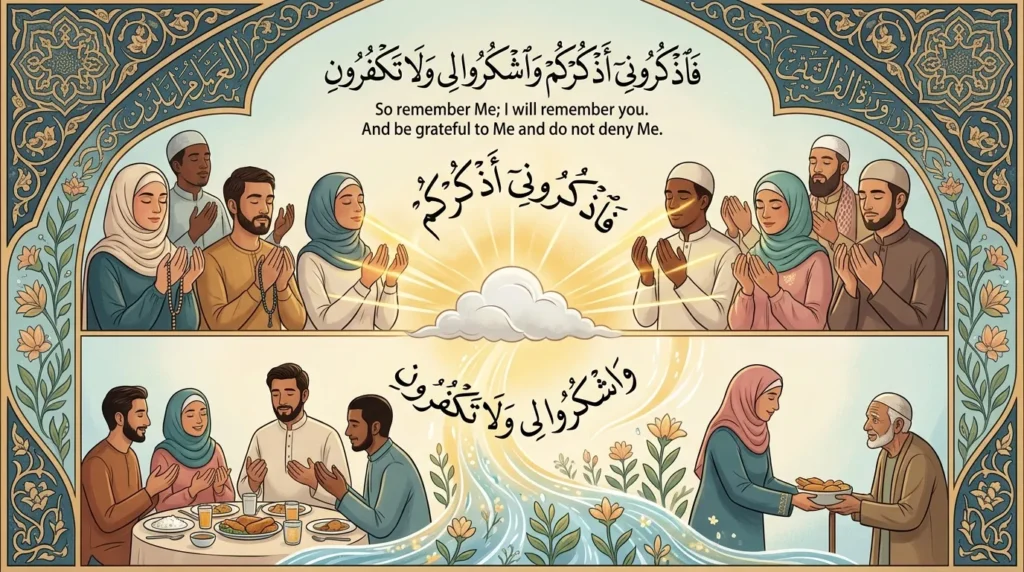
The verse appears after Allah mentions His favor of sending a messenger who recites His signs, purifies people, and teaches them the Book and wisdom. After this great blessing, Allah commands believers to remember Him and thank Him.
Tafheem’s translation presents the verse as: “So remember Me and I shall remember you; give thanks to Me and do not be ungrateful to Me for My favours.” (Islamic Studies) This wording highlights that gratitude is connected to recognizing Allah’s favors.
The surrounding verses also strengthen the meaning. Immediately after this ayah, Surah Al-Baqarah 2:153 says:
“O believers! Seek comfort in patience and prayer. Allah is truly with those who are patient.” (Quran.com)
This connection is beautiful. First, Allah tells us to remember Him and thank Him. Then He teaches us to seek help through patience and prayer. Together, these verses show a complete spiritual path: remember Allah, thank Him, pray, be patient, and trust His nearness.
Why Remembering Allah Brings Peace
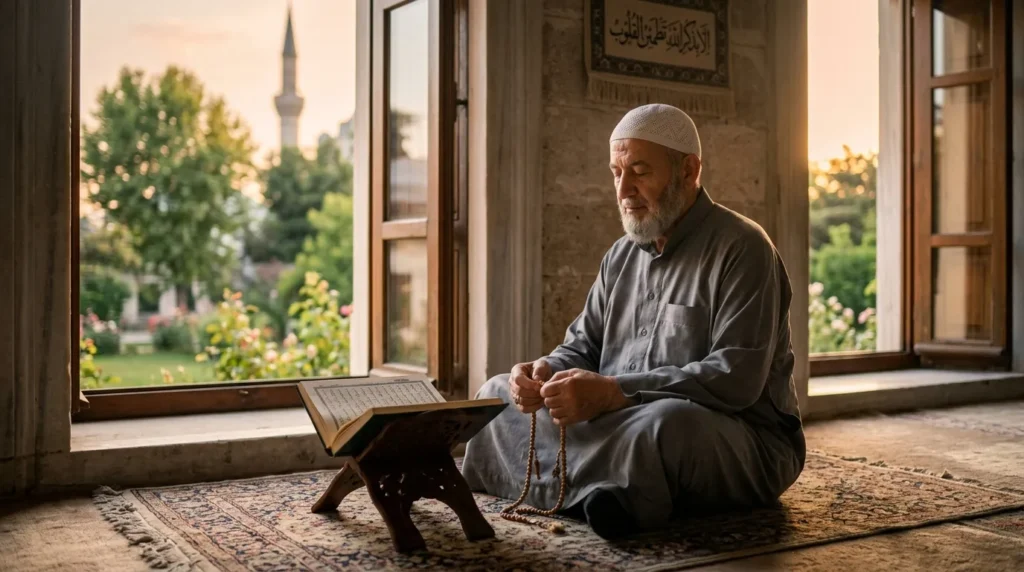
The heart was created to know Allah. When the heart forgets Allah, it becomes restless even if the body has comfort. A person may have money, followers, status, entertainment, and success, but still feel empty. That emptiness is often a sign that the heart needs remembrance.
Dhikr brings peace because it returns the heart to its source. It reminds us that Allah is greater than our problems, stronger than our fears, closer than our loneliness, and more merciful than our mistakes.
When we say SubhanAllah, we remember Allah’s perfection.
When we say Alhamdulillah, we remember His blessings.
When we say Allahu Akbar, we remember that Allah is greater than everything.
When we say La ilaha illa Allah, we remember that nothing deserves worship except Him.
When we say Astaghfirullah, we return from our sins to His mercy.
Dhikr is not only sound. It is medicine for the heart.
Types of Remembering Allah
Remembering Allah can happen in many ways. Some forms are spoken, some are silent, and some are shown through action.
| 📿 Type of Dhikr | 🕌 Example | ❤️ How It Helps the Heart |
|---|---|---|
| 🗣️ Dhikr of the Tongue | SubhanAllah, Alhamdulillah, Allahu Akbar | Keeps the tongue constantly connected to Allah and strengthens daily remembrance. |
| 💚 Dhikr of the Heart | Thinking about Allah’s mercy, greatness, and power | Builds taqwa (God-consciousness), love, trust, and awareness of Allah. |
| 🕌 Dhikr Through Salah | Performing the five daily prayers | Creates spiritual discipline, inner peace, and closeness to Allah. |
| 📖 Dhikr Through the Quran | Reciting, listening to, and reflecting on the Quran | Fills the heart with guidance, wisdom, and spiritual light. |
| 🌿 Dhikr Through Gratitude | Saying Alhamdulillah and using blessings wisely | Protects the heart from pride and increases thankfulness. |
| 🤲 Dhikr Through Repentance | Sincerely saying Astaghfirullah | Cleanses the heart from sins and renews the relationship with Allah. |
| ✨ Dhikr Through Obedience | Avoiding haram and performing righteous deeds | Transforms remembrance into sincere actions that please Allah. |
The best remembrance is the one that changes us. If the tongue remembers Allah but the actions continue in disobedience without regret, our dhikr is incomplete. True remembrance softens the heart and improves behavior.
How Allah Remembers His Servant
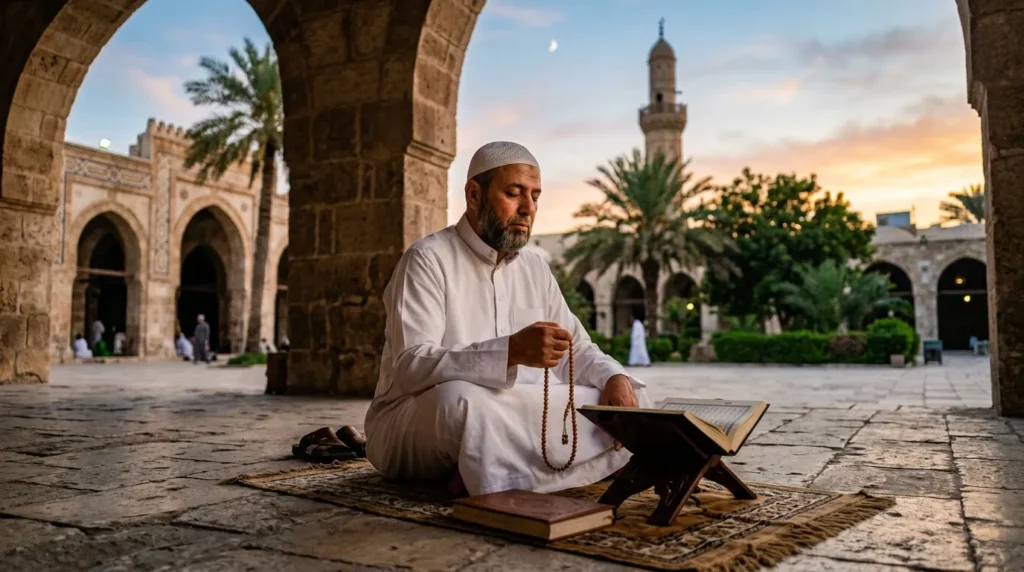
When Allah says, “I will remember you,” this is not like human remembrance. Allah’s remembrance is perfect, majestic, generous, and beyond full human understanding. It includes mercy, care, reward, guidance, forgiveness, honor, and acceptance.
For a believer, this promise is deeply personal. When we remember Allah in private, He knows. When we whisper dua, He hears. When we fight a sin because of Him, He sees. When we say Alhamdulillah through tears, He is aware. When we return after falling, He accepts repentance from those who are sincere.
This ayah teaches us that no sincere moment with Allah is wasted. A quiet dhikr may be unknown to people, but it is known to Allah. A hidden tear may be unseen by the world, but it is not hidden from Allah.
Practical Ways to Remember Allah Daily
Remembering Allah should not be limited to one time or one place. We can build dhikr into our daily routine in simple ways.
1. Begin the Day With Fajr and Morning Dhikr
The way we begin the day shapes the heart. Starting with Fajr, Quran, and morning adhkar gives the day barakah. Even a few minutes of sincere remembrance can change the mood of the entire morning.
2. Say Bismillah Before Daily Tasks
Before eating, studying, working, driving, cooking, writing, or leaving home, say Bismillah. This simple habit reminds us that we need Allah’s help in everything.
3. Use Daily Moments for Short Dhikr
Waiting in line, walking, sitting in a car, cooking, cleaning, or resting can become moments of remembrance. Instead of filling every empty second with scrolling, we can fill some of them with SubhanAllah, Alhamdulillah, Allahu Akbar, and Astaghfirullah.
4. Connect Gratitude With Real Blessings
When eating, say Alhamdulillah and actually think about the blessing. When seeing your family, thank Allah. When recovering from illness, thank Allah. When receiving good news, thank Allah. Gratitude becomes stronger when it is specific.
5. End the Day With Istighfar
Before sleeping, remember the mistakes of the day and ask Allah for forgiveness. A believer does not sleep with arrogance. A believer returns to Allah again and again.
“Remember Me” Through Salah
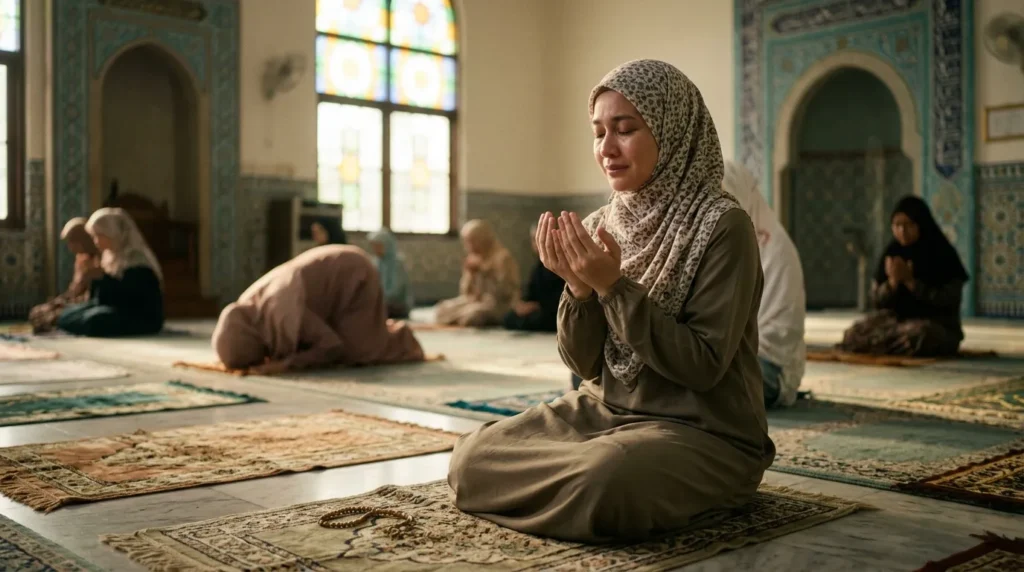
Salah is one of the greatest forms of remembering Allah. It is repeated throughout the day so the believer does not become completely lost in worldly concerns. Work, school, business, family, and responsibilities can easily consume the mind. Salah interrupts that forgetfulness and brings the heart back to Allah.
When we stand in salah, we remember that Allah is greater than everything else. When we bow, we remember His greatness. When we prostrate, we remember our need and humility. When we sit and make dua, we remember that Allah is the One who answers.
If we want to live the meaning of “So remember Me; I will remember you,” we must protect salah. A life without salah is a life where remembrance has been weakened at its foundation.
“Thank Me and Never Be Ungrateful”
Gratitude is not only saying Alhamdulillah when life is easy. True gratitude appears in three ways:
| 🌿 Part of Gratitude | ✨ Meaning |
|---|---|
| ❤️ Gratitude of the Heart | Recognizing with sincerity that every blessing, favor, and opportunity comes from Allah alone. |
| 🗣️ Gratitude of the Tongue | Praising Allah by saying Alhamdulillah, making dhikr, and speaking positively about His countless blessings. |
| 🤲 Gratitude of the Limbs | Using your time, wealth, knowledge, health, and abilities in ways that please Allah and benefit others. |
If Allah gives us wealth, gratitude means using it in halal ways and helping others. If Allah gives us knowledge, gratitude means acting upon it and teaching beneficially. If Allah gives us health, gratitude means using our strength for worship and good deeds. If Allah gives us children, gratitude means raising them with love, faith, and responsibility.
Ungratefulness is not only denying blessings with words. It can also mean using Allah’s blessings in disobedience. A tongue is a blessing, but using it to lie, insult, or backbite is ingratitude. Eyes are a blessing, but using them for haram is ingratitude. Time is a blessing, but wasting it completely is ingratitude.
Life Lessons From “So Remember Me; I Will Remember You”
1. We Are Never Forgotten by Allah
This ayah comforts the lonely heart. If we remember Allah, we are not forgotten. Even if people do not appreciate us, Allah knows our effort.
2. Dhikr Is a Two-Way Honor
When we remember Allah, Allah remembers us. This is an honor greater than worldly recognition.
3. Gratitude Protects Faith
A grateful heart stays humble. Gratitude keeps us connected to the Giver, not only the gift.
4. Remembrance Must Become Action
True dhikr should improve salah, speech, behavior, patience, and choices.
5. Forgetfulness Is Spiritually Dangerous
When people forget Allah, they often become controlled by desires, fear, arrogance, or despair. Remembering Allah protects the heart.
Common Mistakes About Dhikr
Thinking Dhikr Is Only for Older People
Dhikr is for every believer: children, youth, adults, and elders. Young people need remembrance deeply because they face distractions, desires, stress, and identity challenges.
Limiting Dhikr to Prayer Beads Only
Prayer beads can help, but dhikr is much broader. Salah, Quran, dua, gratitude, reflection, and obedience are also remembrance.
Doing Dhikr With the Tongue While Ignoring the Heart
The tongue may begin the dhikr, but the heart should try to follow. Even if the heart feels distracted, we keep practicing until remembrance becomes deeper.
Remembering Allah Only During Problems
Many people remember Allah when they are desperate, but forget Him in ease. True love means remembering Allah in both comfort and hardship.
A Simple Daily Dhikr Routine
| 🕒 Time | 📿 Dhikr Practice | 🎯 Purpose |
|---|---|---|
| 🌅 After Fajr | Morning adhkar and Quran | Begin the day with Allah. |
| 💼 During Work or Study | Say Bismillah and make dua | Seek Allah’s help and blessings. |
| 🕌 After Salah | SubhanAllah, Alhamdulillah, Allahu Akbar | Strengthen your connection with Allah after every prayer. |
| 🌧 During Stress | Hasbiyallahu wa ni‘mal wakeel | Place your trust completely in Allah. |
| 🎁 After Receiving Blessings | Alhamdulillah | Develop gratitude and recognize Allah’s favors. |
| 🤲 After Mistakes | Astaghfirullah | Seek forgiveness and return sincerely to Allah. |
| 🌙 Before Sleep | Evening adhkar and istighfar | End the day with remembrance, repentance, and peace. |
This routine is simple, but if practiced consistently, it can transform the heart.
Surah Al-Baqarah 2:152
📖 Surah Al-Baqarah 2:152
Remember Allah, be grateful, and avoid ingratitude.
🤲 Remember Allah
🌿 Allah Remembers the Servant
💚 Be Grateful to Allah
⚠️ Do Not Be Ungrateful
Short Reflections on “So Remember Me; I Will Remember You”
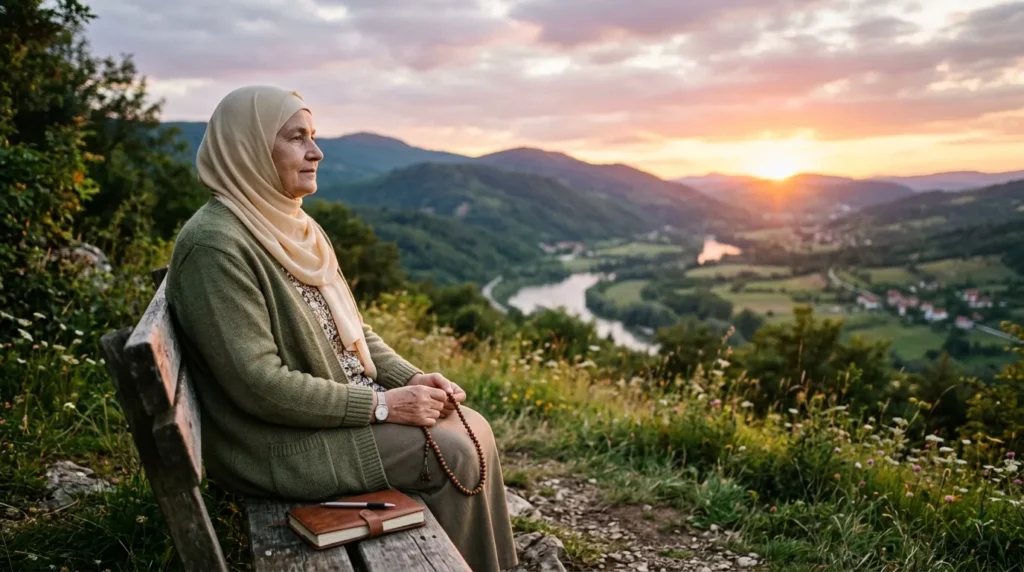
When we remember Allah in ease, our hearts are trained to remember Him in hardship.
When we thank Allah for small blessings, we begin to see that no blessing is truly small.
When people forget our kindness, Allah does not forget.
When we feel unseen, this ayah reminds us that Allah sees and remembers.
When life becomes noisy, dhikr brings the heart back to clarity.
When we remember Allah with sincerity, we are responding to the One who first guided us to remember Him.
Frequently Asked Questions: So Remember Me; I Will Remember You
Q1: What is the meaning of “So remember Me; I will remember you” in the Quran?
This phrase from Surah Al-Baqarah 2:152 means that when a believer remembers Allah through salah, dua, dhikr, gratitude, and obedience, Allah responds by remembering that servant with mercy, guidance, honor, and reward. It is one of the most comforting promises in the entire Quran — no sincere act of remembrance is ever ignored by Allah.
Q2: Which Surah and verse is “So remember Me; I will remember you”?
“So remember Me; I will remember you” is from Surah Al-Baqarah, verse 152, which in Arabic begins with “Fadhkurūnī adhkurkum.” The full verse continues: “And thank Me, and never be ungrateful” — connecting remembrance of Allah directly to gratitude and avoiding ingratitude toward His blessings.
Q3: What is the Arabic of “So remember Me; I will remember you”?
The Arabic of this verse is: فَٱذْكُرُونِيٓ أَذْكُرْكُمْ وَٱشْكُرُوا۟ لِي وَلَا تَكْفُرُونِ — transliterated as “Fadhkurūnī adhkurkum washkurū lī wa lā takfurūn.” It is a short, powerful ayah that is easy to memorize and deeply meaningful to reflect on daily.
Q4: What does dhikr mean in Islam and why is it important?
Dhikr means remembering Allah through words, heart, actions, salah, Quran recitation, dua, gratitude, and obedience — and it is important because the Quran promises that when we remember Allah, He remembers us in return. Dhikr brings peace to the heart, protects from spiritual emptiness, and keeps the believer connected to Allah throughout daily life.
Q5: How does remembering Allah bring peace to the heart?
Remembering Allah brings peace because the heart was created to know and worship Him, and dhikr returns the heart to its source of comfort and strength. Saying SubhanAllah, Alhamdulillah, Allahu Akbar, and Astaghfirullah throughout the day removes anxiety, builds gratitude, and reminds the believer that Allah is greater than any problem they face.
Q6: What is the connection between dhikr and gratitude in Islam?
Surah Al-Baqarah 2:152 connects dhikr and gratitude in one verse — “remember Me” and “thank Me” appear together because true remembrance of Allah naturally produces gratitude when the heart recognizes that every blessing comes from Him. A person who remembers Allah regularly notices His favors more clearly and becomes protected from arrogance, complaint, and ingratitude.
Q7: What are the best ways to remember Allah daily?
The best ways to remember Allah daily include starting the morning with Fajr and morning adhkar, saying Bismillah before every task, filling quiet moments with SubhanAllah and Alhamdulillah, protecting all five daily prayers, ending the night with istighfar, and reciting Quran even for a few minutes. These simple habits build a life of constant connection with Allah as promised in Surah Al-Baqarah 2:152.
Conclusion
“So remember Me; I will remember you” is one of the most beautiful promises in the Quran. It teaches us that remembrance of Allah is not one-sided. When we turn to Allah with dhikr, salah, Quran, dua, obedience, gratitude, and repentance, Allah remembers us in a way that brings mercy, honor, guidance, and reward.
Surah Al-Baqarah 2:152 also teaches that remembrance must be joined with gratitude. We remember Allah, thank Him, and avoid using His blessings in ways that displease Him. This verse is a complete spiritual program for the believer: remember Allah, be grateful, stay away from ingratitude, and live with a heart connected to the One who never forgets.
May Allah make us among those who remember Him often, thank Him sincerely, avoid ingratitude, and receive the honor of being remembered by Him.