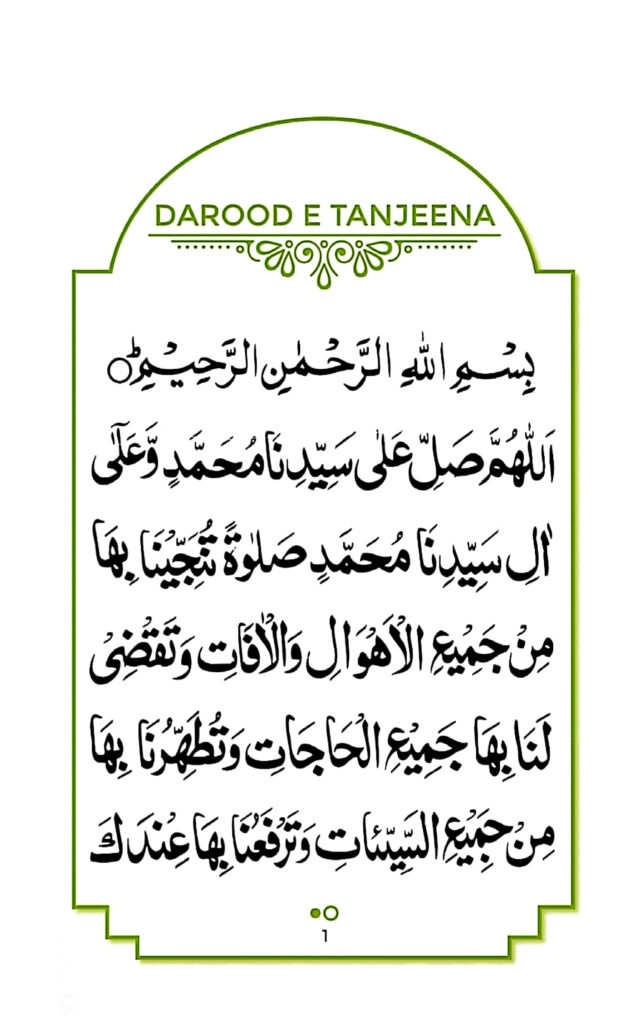
Dua for Entering and Leaving Masjid: Arabic, Meaning, and Hadith
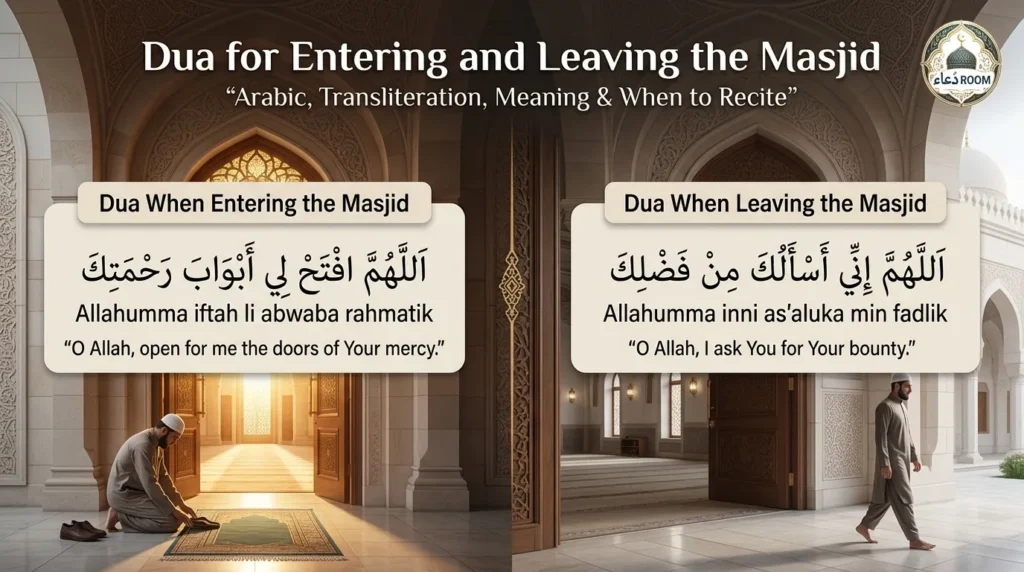
You are about to walk into the masjid, or you just left one, and you want to know the exact words the Prophet ﷺ taught for this moment. There is a dua for entering masjid and a separate dua for leaving masjid, and both come straight from an authentic hadith. Below, you will find the Arabic text, the transliteration, the meaning, and simple steps for using both duas the right way.
What Is the Dua for Entering Masjid?
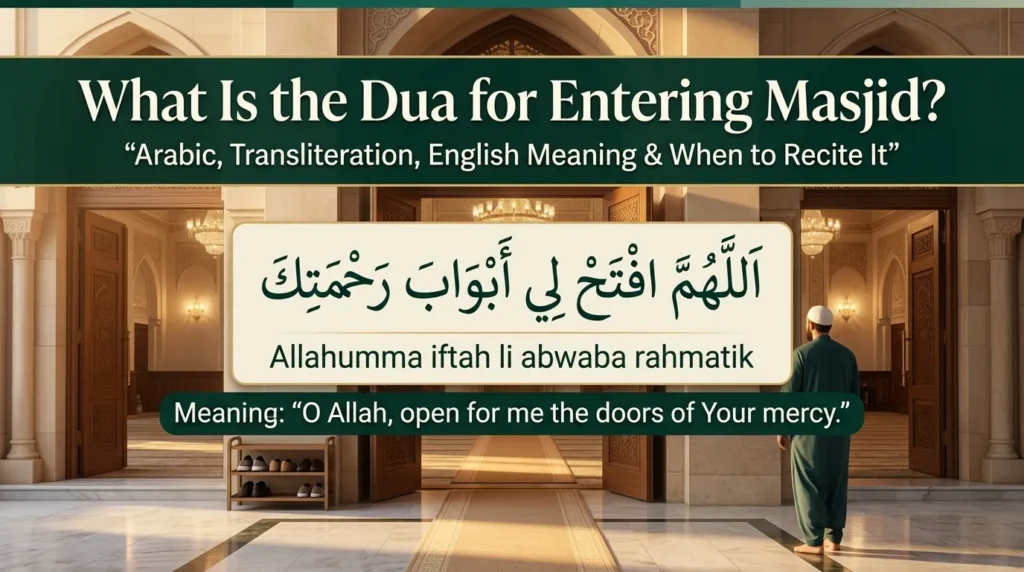
The dua for entering masjid is “Allahumma iftah li abwaba rahmatik,” meaning “O Allah, open for me the doors of Your mercy.” You say this the moment you step inside, right after your right foot crosses the threshold.
Arabic: اللَّهُمَّ افْتَحْ لِي أَبْوَابَ رَحْمَتِكَ
Transliteration: Allahumma iftah li abwaba rahmatik
Meaning: “O Allah, open for me the doors of Your mercy.”
This dua asks Allah for rahmah, meaning mercy or kindness. The word “doors” here is not literal. It means all the different kinds of good things Allah can send your way: forgiveness, peace, guidance, and acceptance of your prayer.
What Is the Dua for Leaving Masjid?
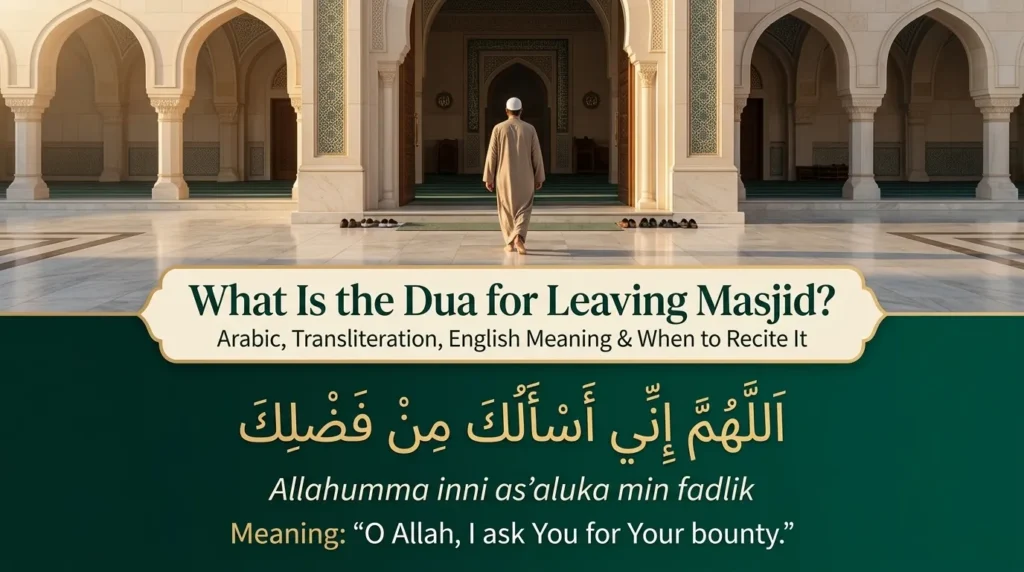
The dua for leaving masjid is “Allahumma inni as’aluka min fadlik,” meaning “O Allah, I ask You from Your bounty.” You say this the moment you step outside, right after your left foot crosses the threshold.
Arabic: اللَّهُمَّ إِنِّي أَسْأَلُكَ مِنْ فَضْلِكَ
Transliteration: Allahumma inni as’aluka min fadlik
Meaning: “O Allah, I ask You from Your bounty.”
The word fadl means bounty or extra blessing, like the good things Allah gives us in daily life: rizq (sustenance), health, and safety. Notice how the two duas work together. You ask for mercy going in, and you ask for provision coming out.
Arabic, Transliteration, and Translation: Full Comparison
Seeing both duas side by side makes them easier to remember and tell apart. This is something most articles on this topic don’t lay out clearly.
| Detail | Entering the Masjid | Leaving the Masjid |
|---|---|---|
| Arabic | اللَّهُمَّ افْتَحْ لِي أَبْوَابَ رَحْمَتِكَ | اللَّهُمَّ إِنِّي أَسْأَلُكَ مِنْ فَضْلِكَ |
| Transliteration | Allahumma iftah li abwaba rahmatik | Allahumma inni as’aluka min fadlik |
| Meaning | O Allah, open for me the doors of Your mercy | O Allah, I ask You from Your bounty |
| Which foot first | Right foot | Left foot |
| Main word | Rahmah (mercy) | Fadl (bounty) |
| Hadith source | Sahih Muslim 713a | Sahih Muslim 713a |
Where Does This Dua Come From? The Hadith
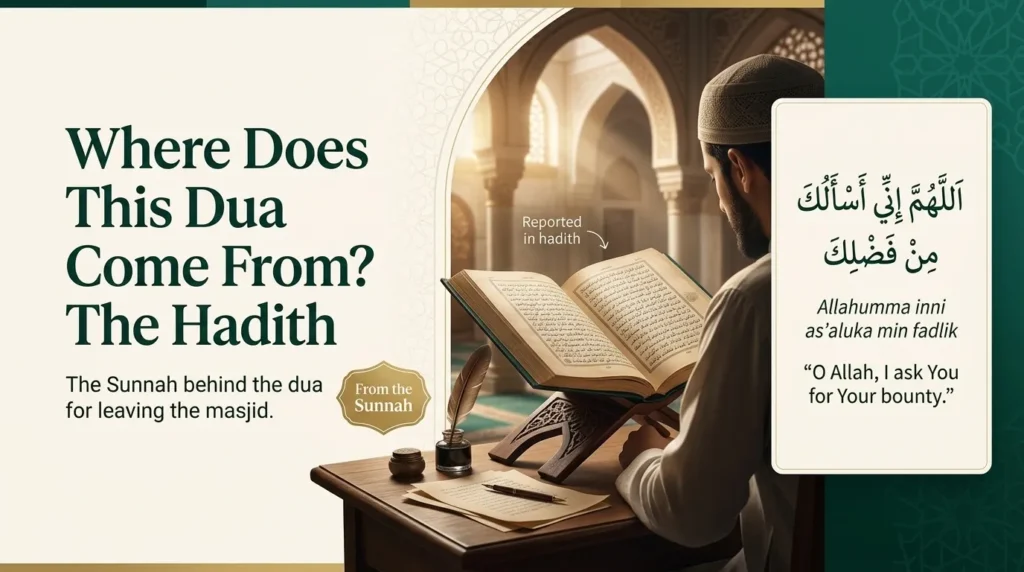
Both duas come from one single hadith, narrated by the companion Abu Usayd (or Abu Humayd), recorded in Sahih Muslim. This means both are fully authentic and were taught directly by the Prophet Muhammad ﷺ.
The Prophet ﷺ said:
“When any one of you enters the mosque, he should say: ‘O Allah, open for me the doors of Your mercy.’ And when he steps out, he should say: ‘O Allah, I ask of You Your grace.'”
This hadith is recorded in Sahih Muslim, hadith 713a. Because it comes from Sahih Muslim, one of the two most trusted hadith collections in Islam, scholars agree it is fully authentic. Some other narrations, such as one found in Sunan Ibn Majah, hadith 771, add the words “Bismillah, was-salatu was-salamu ala Rasulillah” (In the name of Allah, and peace and blessings be upon the Messenger of Allah) just before the main dua. Both the short and the longer version are acceptable.
How to Enter the Masjid the Right Way: Step by Step
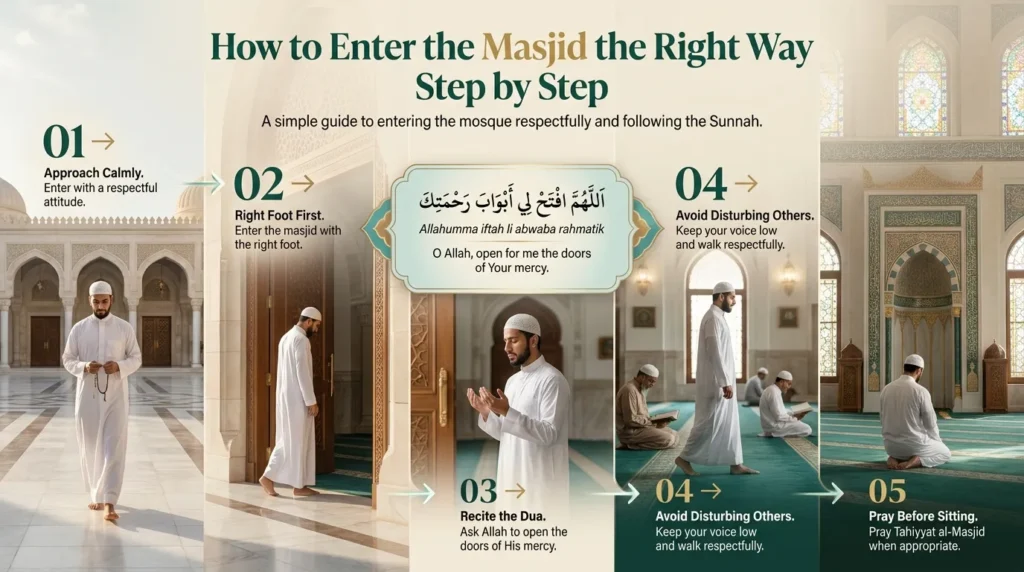
Entering the masjid the Sunnah way involves your foot, your words, and a short prayer, done in a specific order. Getting this order right turns a simple walk into the mosque into an act of worship.
- Step in with your right foot first. Companions like Ibn Umar (RA) were known to always enter the masjid with the right foot, since the Prophet ﷺ preferred the right side for good and honorable actions.
- Say “Bismillah” and send blessings on the Prophet ﷺ (optional but recommended), then recite the entry dua: “Allahumma iftah li abwaba rahmatik.”
- Do not sit down right away. The Prophet ﷺ said, “When one of you enters the mosque, let him not sit down until he has prayed two rak’ahs” (Sahih al-Bukhari 444, Sahih Muslim 714).
- Pray Tahiyyatul Masjid, a short two-rak’ah prayer that greets the mosque, before you sit or talk to anyone.
- Then sit, make dhikr, or wait for the prayer in a calm and respectful way.
Tahiyyatul Masjid means “greeting of the mosque.” It is simply two short units of prayer said as a mark of respect, the same way you might greet a person before sitting down with them. Most scholars call it strongly recommended (mustahabb), not obligatory, but the Prophet ﷺ kept doing it every time, so it carries a special weight.
How to Leave the Masjid the Right Way
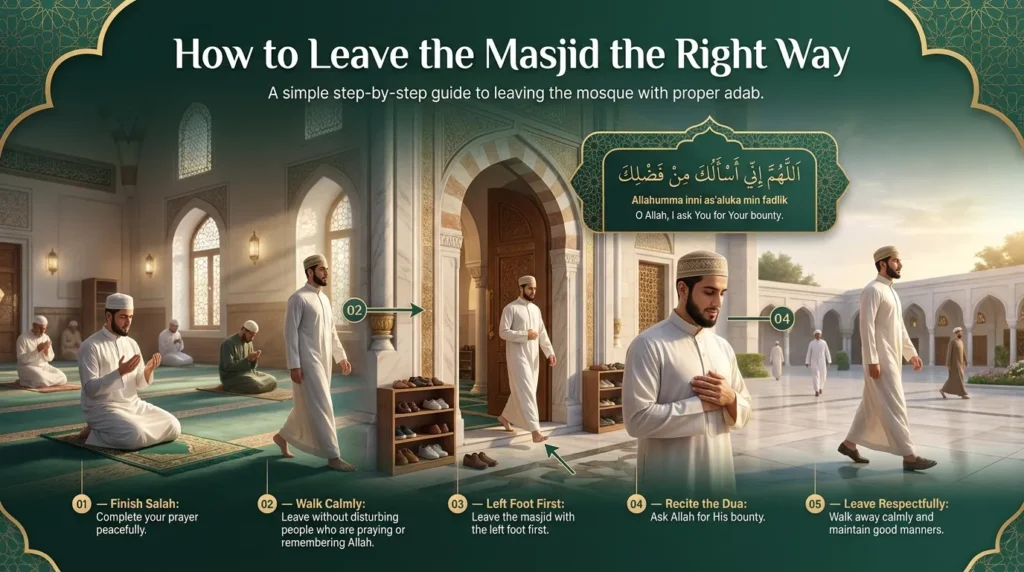
Leaving mirrors entering, just in reverse: left foot, then the leaving dua, said calmly on your way out. There is no rush needed, but the order still matters.
- Step out with your left foot first. This matches the general Sunnah pattern of using the left side for actions that involve leaving or ending something.
- Say “Allahumma inni as’aluka min fadlik” as you step out, asking Allah for His bounty as you return to daily life.
- Leave calmly and quietly, without rushing or making noise, out of respect for those still praying inside.
How Many Times Should You Say These Duas?
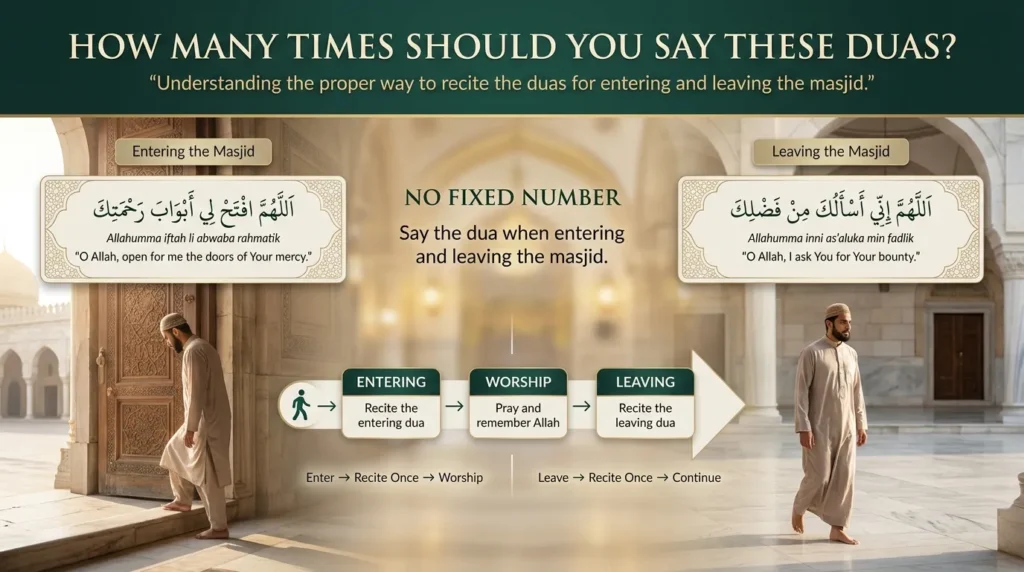
You say each dua once per visit: the entry dua the moment you step in, and the leaving dua the moment you step out. There is no requirement to repeat either one multiple times. What matters more than repetition is saying it with real attention, not rushing through it as a habit you barely notice.
Masjid Etiquette Beyond the Dua

Good masjid manners (adab) go beyond just the dua and the right foot; they include how you dress, how you speak, and how you treat others inside. These small habits show respect for a space set apart for worship.
- Dress modestly and cleanly. Wear clothes that cover properly and are free of strong smells, especially smells like garlic, onion, or smoke that could bother people near you in prayer.
- Keep your voice low. The masjid is not the place for loud conversation, phone calls, or business talk.
- Walk, don’t rush, past people who are praying. Never walk directly in front of someone in salah if you can avoid it.
- Turn off or silence your phone before stepping inside, out of respect for those in prayer or dhikr.
- Teach children the same habits early. Young kids can learn the entry dua and the right-foot habit quickly if you say it out loud together each time you visit.
None of these rules are as strict as the dua itself, but together they build the same spirit: entering a sacred space with humility and leaving it a little more mindful of Allah than when you came in.
Why These Two Small Duas Matter So Much
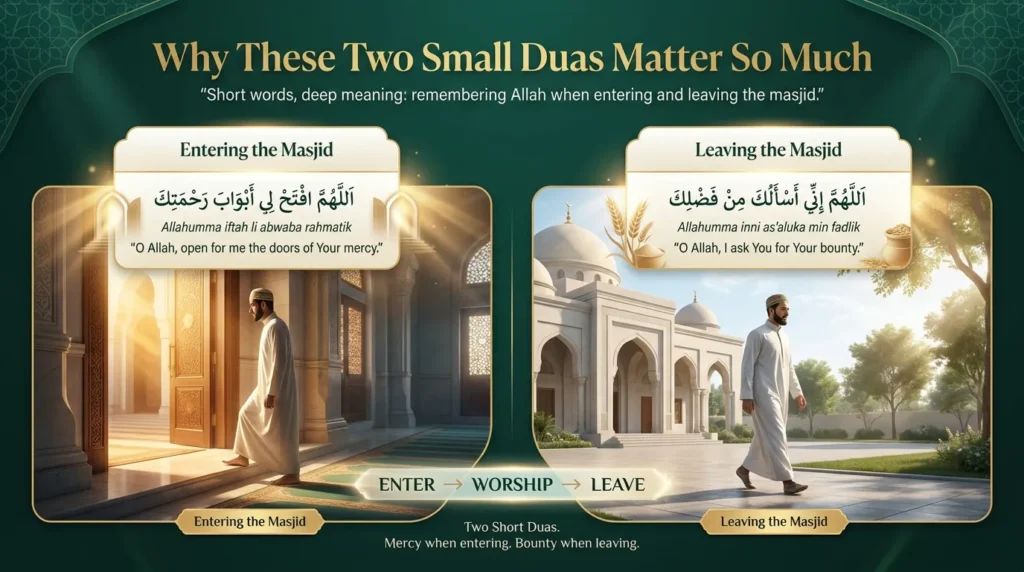
These duas frame every single masjid visit around two things: asking for mercy, and asking for provision. That is a powerful habit to build into something you already do several times a day.
Think about how often you walk in and out of the masjid without a single thought crossing your mind. This short dua breaks that pattern. It turns a routine action into a moment of real connection with Allah. This same idea, turning ordinary moments into worship, comes up throughout the Sunnah, and it connects closely to broader habits around the importance of salah in Islam, since the masjid and salah are so tightly linked.
If you are teaching this dua to your own children, pairing it with other short duas can help it stick. Our guide on how to teach your child salah covers practical steps for building this kind of habit early, and our piece on how parents can encourage children to love the Quran has more ideas for building daily worship habits that last. If your child is anxious about going somewhere new, like their first time at a masjid, our article on dua for protection from enemies and oppression may also help build a sense of safety around new places tied to Allah’s protection.
You may also want to pair this dua with a short reminder of Allah’s provision throughout the day. Our post on a powerful dua for rizq fits naturally with the leaving-masjid dua, since both ask Allah for His bounty. And if you want to understand the deeper habit of trusting Allah with your outcomes, our guide on tawakkul in Islam explains that mindset in more depth.
FAQs : Dua for Entering and Leaving Masjid
What is the dua for entering masjid?
It is “Allahumma iftah li abwaba rahmatik,” meaning “O Allah, open for me the doors of Your mercy.” It is said the moment you step in with your right foot, based on Sahih Muslim 713a.
What is the dua for leaving masjid?
It is “Allahumma inni as’aluka min fadlik,” meaning “O Allah, I ask You from Your bounty.” It is said the moment you step out with your left foot, from the same hadith, Sahih Muslim 713a.
Which foot should I use to enter the masjid?
Use your right foot. This follows the Prophet’s ﷺ general habit of starting good and honorable actions with the right side, as shown in the practice of companions like Ibn Umar (RA).
Which foot should I use to leave the masjid?
Use your left foot. This mirrors the entering Sunnah and follows the same general pattern of using the left side when ending or leaving something.
Is it mandatory to say these duas?
No, saying these duas is not obligatory (fard). It is a Sunnah, meaning a practice of the Prophet ﷺ, and following it earns extra reward, but skipping it is not sinful.
What should I do right after entering the masjid?
After saying the entry dua, pray two rak’ahs called Tahiyyatul Masjid before sitting down, based on Sahih al-Bukhari 444 and Sahih Muslim 714.
Can I say these duas for Masjid al-Haram or Masjid an-Nabawi too?
Yes. These are the same general duas used for any masjid, including Masjid al-Haram in Makkah and Masjid an-Nabawi in Madinah. Many people recite them with extra awe in these two especially sacred mosques.
A Final Word
Two short lines, one for stepping in and one for stepping out, frame every visit to the House of Allah with the right intention. The next time you reach the masjid door, pause for just a second. Say the words, mean them, and let that small habit shape how you carry yourself, both inside the masjid and after you leave it.