
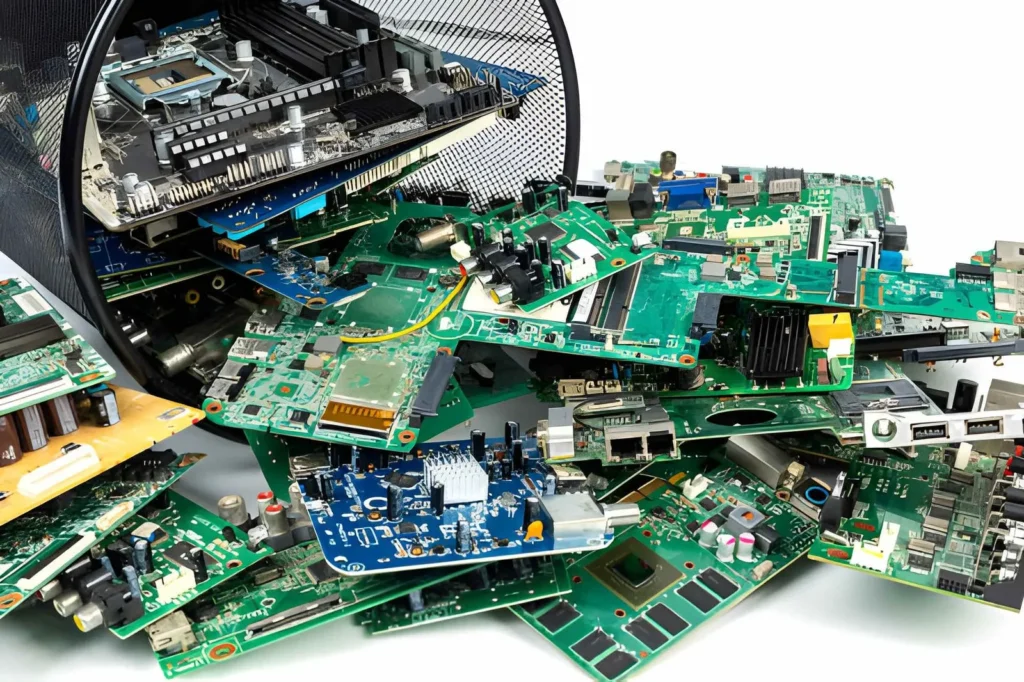
Technology makes daily life easier, but discarded devices create an environmental problem that deserves more attention. Smartphones, computers, televisions, and household appliances eventually wear out or become unwanted. When these products enter the waste stream, they become electronic waste, commonly called e-waste.
The environmental impact of electronic waste extends beyond overflowing disposal sites. Improper handling can release harmful substances, waste valuable materials, and increase demand for resource extraction. Understanding these effects helps consumers and businesses make better decisions about buying, using, repairing, and recycling electronics.
What Is Electronic Waste?
Electronic waste includes discarded products that operate using electricity or batteries. Common examples include laptops, printers, mobile phones, refrigerators, monitors, and electronic toys. A device does not need to be completely broken to become waste; working equipment is often discarded during upgrades.
The scale of the problem is substantial. According to the Global E-waste Monitor 2024, the world generated approximately 62 million tonnes of electronic waste in 2022. Only 22.3% was documented as formally collected and recycled. These figures highlight a significant gap between electronics consumption and responsible waste management.
Why Electronic Waste Keeps Growing
Frequent product releases encourage consumers to replace devices while older models still function. Advertising, changing preferences, and demand for additional features can make replacement feel more attractive than continued use.
Repair barriers also contribute to unnecessary disposal. A damaged charging port or worn battery may lead someone to replace an entire device when replacement parts, repair services, or technical information are difficult to obtain.
Businesses generate electronic waste through equipment upgrades, office changes, and outdated systems. Without a clear reuse and disposal process, unwanted electronics can accumulate in storage or enter unsuitable waste streams.
Soil and Water Contamination
One environmental concern is the release of hazardous substances from poorly managed electronics. Depending on their components, discarded devices may contain lead, mercury, cadmium, and other substances that require controlled handling.
Unsafe dumping and processing can contaminate surrounding soil and water. Rainwater may carry pollutants away from disposal areas, while untreated liquid waste from metal recovery can introduce additional contamination. The World Health Organization identifies dumping, open burning, and acid leaching among practices that release pollutants into the environment.
Preventing contamination requires more than moving unwanted devices out of sight. Collection systems must direct electronics toward facilities equipped to separate materials and manage hazardous components responsibly.
Air Pollution From Unsafe Processing
Some informal recycling operations burn cables and other components to recover valuable metals. Although this method may expose copper quickly, it also creates polluted smoke and leaves contaminated residues.
Burning electronic materials can release harmful particles, heavy metals, and chemical compounds into the air. Wind can carry this pollution beyond the processing site, affecting nearby neighborhoods. Workers and surrounding communities may face exposure through contaminated air and dust.
This illustrates why collecting electronics for recycling is only part of the solution. The methods used afterward determine whether material recovery reduces environmental harm or creates additional pollution.
Loss of Valuable Natural Resources
Discarded electronics contain useful materials, including copper, aluminum, steel, glass, and precious metals. Throwing away these products without recovering their materials wastes resources already extracted and processed.
Replacing lost materials requires additional mining and manufacturing. These activities consume energy and water and can create air and water pollution. The U.S. Environmental Protection Agency explains that electronics donation and recycling help conserve natural resources and reduce pollution associated with producing new materials.
Responsible recovery keeps valuable materials available for future use. However, recycling works best alongside waste prevention, because collecting and processing discarded products also require resources.
Electronic Waste and Climate Change
The connection between electronics and climate change begins before a device reaches its owner. Extracting raw materials, manufacturing components, assembling products, and transporting them all require energy.
When usable equipment is replaced unnecessarily, additional production becomes necessary to provide the same service. Extending a device’s useful life can spread its manufacturing footprint across more years of use.
Recycling also has climate benefits when recovered materials reduce the need for new extraction and processing. EPA guidance identifies reduced energy use and lower environmental impacts from mining virgin materials among the benefits of responsible electronics recycling.
How Consumers Can Reduce Electronic Waste
Consumers can begin by buying electronics thoughtfully. Before upgrading, consider whether the current device still meets everyday needs. A newer model may offer improvements without providing enough practical benefit to justify replacement.
Maintenance can also extend useful life. Protective cases, careful handling, suitable storage, and timely repairs help prevent avoidable damage. When performance declines, investigate whether maintenance or a component replacement can address the problem.
Working electronics may be suitable for resale or donation. Confirm that the recipient can use the equipment, and remove personal information before transferring ownership. Donation should provide a useful product rather than pass disposal responsibilities to someone else.
For unusable equipment, check local collection services, manufacturer take-back programs, or qualified electronics recyclers. Ask which devices they accept and how they manage collected materials.
The Role of Businesses and Manufacturers
Businesses can reduce electronic waste by tracking equipment, planning repairs, and considering refurbished devices where suitable. Clear purchasing standards help organizations avoid unnecessary replacements and select products with appropriate support and repair options.
Manufacturers can contribute through durable construction, accessible replacement parts, repair information, and longer product support. Take-back programs can also make responsible disposal easier for customers.
Communities benefit from convenient collection points and clear instructions. People are more likely to dispose of electronics properly when they understand where unwanted devices should go and which services are available.
Conclusion
The environmental impact of electronic waste includes pollution, wasted materials, and the resource demands of replacement production. Addressing these problems requires attention throughout a product’s life, from purchasing and maintenance to reuse and final disposal.
Consumers, businesses, manufacturers, and public authorities all have useful roles. Keeping devices working longer, repairing suitable equipment, and choosing responsible recycling can help reduce the environmental cost of modern technology.
Also Read About : Why Software Updates Matter for Your Devices