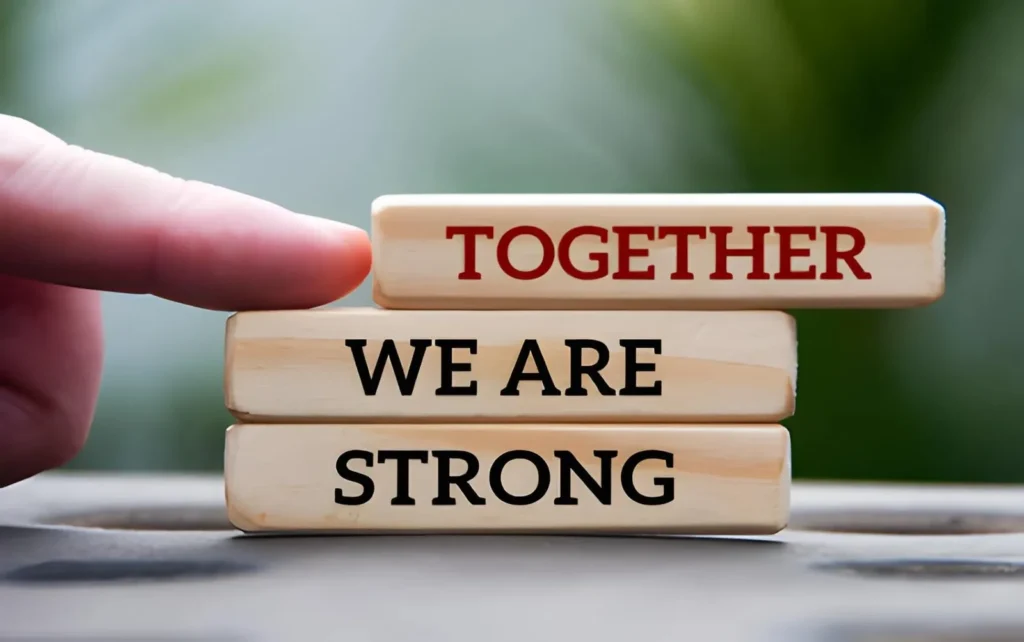

A strong community grows when people contribute their time, skills, and attention to one another. From sorting donations at a food pantry to helping maintain a neighborhood garden, volunteers support services and spaces that residents use every day. Even a small contribution can make a meaningful difference when it meets a real local need.
Volunteering in your local community also offers personal benefits. It creates opportunities to meet people, practice useful skills, and understand life beyond your usual routine. You can contribute through regular commitments, occasional events, or tasks completed from home.
Whether you are a student, working professional, parent, or retiree, community service provides a practical way to participate in the place you call home. Here are some of the most valuable benefits.
Builds Stronger Community Connections
Living near other people does not always mean knowing them. Busy schedules and separate routines can make neighborhoods feel disconnected. Volunteering creates opportunities for residents to meet while working toward a shared purpose.
For example, a neighborhood cleanup might bring together longtime homeowners, new residents, students, and local business owners. Working side by side gives people a natural reason to talk and exchange ideas.
Over time, these connections can build familiarity and trust. Strong community relationships make it easier for neighbors to share information, recognize local needs, and support one another when problems arise.
Supports Important Local Services
Community organizations often have more work to complete than their paid staff can handle alone. Volunteers provide additional help with everyday tasks, allowing those organizations to serve residents more effectively.
At a food pantry, volunteers might organize shelves, prepare distribution bags, or welcome visitors. At a library, they may help prepare materials for an event or assist with an approved community program.
These contributions have practical value. A few hours of reliable assistance can help an organization complete essential work. When volunteers follow instructions and respect established procedures, their support becomes especially useful.
Develops Practical Skills
One of the benefits of volunteering is the chance to learn through experience. Different roles offer opportunities to practice communication, organization, teamwork, and problem-solving.
Helping coordinate a community event might involve managing a schedule, answering questions, and organizing supplies. Supporting a donation drive could teach you how to track inventory and communicate clear instructions.
Volunteer experience builds skills because it involves real responsibilities and real people. You can also discover strengths you have not previously explored. Someone who begins by helping at a registration desk may find that they enjoy welcoming visitors and managing busy situations.
Creates Opportunities to Meet People
Making new connections can be difficult, especially after moving to a different area or leaving school. Volunteering provides a setting where conversations can develop around a shared activity.
Instead of feeling pressure to introduce yourself without context, you already have something to discuss. You might compare tasks, ask for guidance, or talk about the organization’s work.
Repeated participation allows those early conversations to become more familiar. While friendships are never guaranteed, regular community involvement creates opportunities to build relationships with people who share some of your interests and values.
Offers a Sense of Purpose
Daily routines can become repetitive. Work, household responsibilities, and personal errands may leave little room for activities that feel connected to a wider purpose.
Volunteering offers a way to see how your actions help someone else. Preparing supplies for a school program or maintaining an accessible community space produces a result beyond your own immediate needs.
That contribution does not need to be large to matter. Completing a modest task reliably can be valuable to the people depending on it. A clear role and realistic expectations help make the experience rewarding and sustainable.
Builds Confidence Through Experience
Trying an unfamiliar activity can feel uncomfortable at first. Volunteering offers opportunities to take on manageable responsibilities and gradually become more comfortable with them.
You might begin by arranging chairs before a meeting. Later, you could help welcome participants or explain the event schedule. Each completed task provides experience you can draw on next time.
Confidence develops through practice, especially when you receive helpful guidance and understand what is expected. Choosing an organization that provides appropriate training can make it easier to learn, ask questions, and contribute effectively.
Broadens Your Understanding of Local Needs
It is easy to overlook challenges that fall outside your daily experience. Community service can introduce you to issues affecting different households, neighborhoods, and age groups.
For instance, helping with a community meal program may reveal the importance of transportation, opening hours, and accessible information. These practical details can influence whether residents can use available services.
Listening respectfully helps volunteers develop a more informed perspective. Rather than assuming what others need, you learn from the people and organizations already involved. This understanding can encourage more thoughtful everyday decisions and conversations.
Strengthens Career and Educational Experience
Volunteer work can provide relevant examples for job applications, interviews, and educational opportunities. This is particularly useful when you are building experience or exploring a different field.
An employer may find it helpful to hear how you organized materials, handled questions, or worked with a team. Specific responsibilities communicate more than simply listing an organization’s name.
However, volunteering does not guarantee employment or admission. Its value comes from the experience you gain and how accurately you describe it. Focus on meaningful contributions, useful skills, and responsibilities you actually completed.
Encourages Shared Responsibility
Public spaces and local services benefit when residents feel invested in their care. Volunteering turns concern about community issues into practical participation.
A person who helps maintain a neighborhood garden may become more aware of how that space is used. Someone who assists at local events may better understand the planning required to bring residents together.
Participation can also encourage others to contribute. When community service feels welcoming and achievable, more people may consider getting involved. Shared effort helps prevent the same small group from carrying every responsibility.
Conclusion
The benefits of volunteering in your local community reach beyond any single event or task. Community service supports local organizations, strengthens relationships, develops skills, and gives residents a practical way to contribute.
Start with a role that fits your interests, availability, and abilities. Ask about responsibilities, training, and the time commitment before getting involved. A manageable commitment you can maintain is valuable. Through consistent, thoughtful participation, you can help your community while gaining useful experience and meaningful connections.
Also Read About : The Role of Kindness in Building Stronger Communities