You do not need a new wardrobe every time you receive a dinner invitation or want to look more polished. Often, the difference between an everyday outfit and a dressier look comes down to a few thoughtful changes. Shoes, accessories, layers, and even the way you tuck your shirt can transform familiar clothes.
Learning how to dress up a casual outfit also helps you get more value from pieces you already own. Your favorite jeans, a plain T-shirt, or a comfortable cotton dress can become the foundation for something more refined.
The key is to consider the occasion and create balance. A relaxed outfit usually needs only two or three polished elements to feel intentional. These simple styling ideas will help you turn casual clothes into a dressy look without sacrificing comfort or personal style.
1. Add a Structured Blazer
A structured blazer is one of the easiest ways to make casual clothes look dressier. Its defined shoulders and clean lines give relaxed pieces a sharper finish.
Wear a black blazer over a white T-shirt and dark jeans for dinner. Alternatively, layer a beige blazer over a simple dress for a daytime celebration.
Pay attention to fit. The shoulder seams should sit comfortably, and the sleeves should allow easy movement. An oversized blazer can also work, especially when paired with a fitted top or straight-leg trousers.
Keep the layer underneath relatively simple so the overall outfit feels balanced.
2. Swap Your Everyday Shoes
Shoes can change the mood of an outfit immediately. The same jeans and shirt may look relaxed with running shoes and considerably more polished with loafers.
Depending on your preferences and the occasion, try:
- Pointed-toe flats with cropped trousers.
- Leather loafers with dark denim.
- Ankle boots with a midi dress.
- Low heels with jeans and a blouse.
- Derby shoes with chinos and a tucked shirt.
You do not need high heels to look dressed up. Shape, condition, and coordination matter more than heel height. Clean your shoes and check for visible scuffs before leaving.
3. Choose One Standout Accessory
A carefully chosen accessory can give a basic outfit a clear focal point. Consider sculptural earrings, a classic watch, a silk scarf, or a distinctive necklace.
For example, a plain black top becomes more evening-appropriate when paired with statement earrings. A scarf worn neatly around the neck can add interest to a simple shirt.
Avoid making every accessory compete for attention. If your earrings are bold, you might skip a large necklace. If you prefer several delicate pieces, keep their proportions balanced.
The goal is to create a thoughtful finish that suits your outfit.
4. Carry a Structured Bag
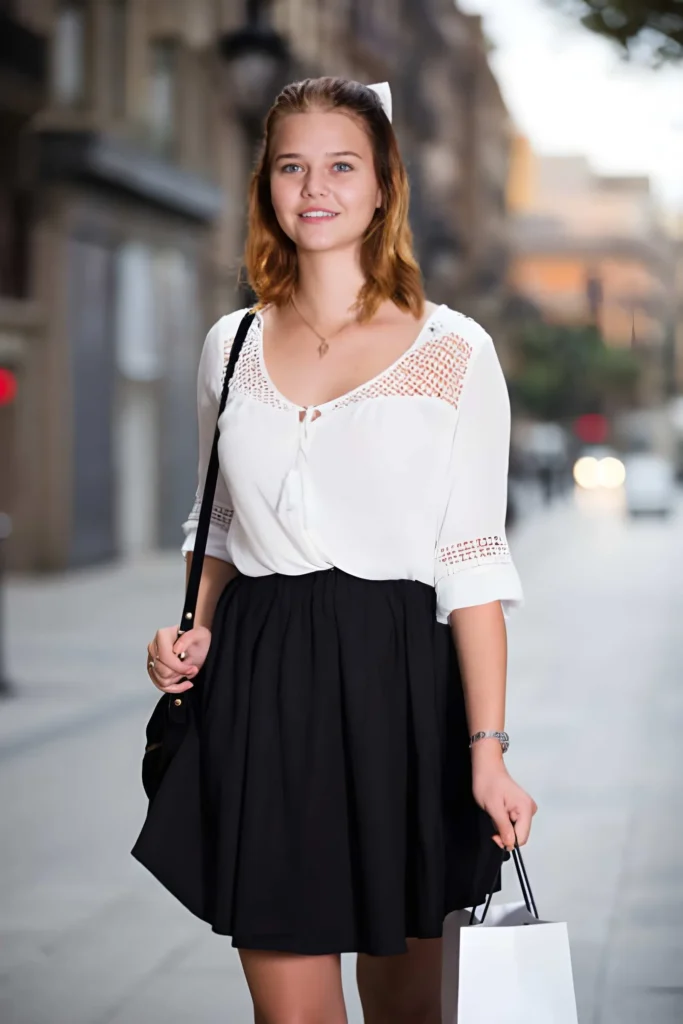
A large canvas tote or worn backpack may make an outfit feel practical and casual. Switching to a structured handbag, compact shoulder bag, sleek briefcase, or simple clutch can create a dressier impression.
Look for a bag that holds its shape and has a tidy finish. Neutral colors such as black, brown, navy, and cream are easy to coordinate.
Your bag does not need to match your shoes exactly. Instead, choose colors and materials that work comfortably together. A burgundy bag, for instance, can complement black shoes while adding depth to an otherwise simple outfit.
5. Improve the Fit and Finish
Even beautiful clothes can look untidy when they fit poorly or need basic care. Before adding accessories, check the foundations.
Steam noticeable wrinkles, remove lint, and make sure collars and cuffs sit neatly. Check that trousers do not drag across the ground or bunch excessively over your shoes.
Small alterations can make existing clothes more useful. Shortening a hem or adjusting a waistband may help a familiar garment sit better.
Fit does not mean tightness. Clothes should let you sit, walk, and move comfortably. A dressy outfit looks more convincing when you can wear it with ease.
6. Use a Coordinated Color Palette
A coordinated color palette helps casual pieces feel more deliberate. Try building an outfit around two or three complementary shades.
Black jeans, a charcoal top, and black loafers create a simple tonal combination. Cream trousers with a beige sweater offer a softer alternative.
You can also add one accent color through a bag, scarf, or shoes. This gives the outfit interest without making it feel busy.
Neutral shades are useful, but bright colors can look equally polished. Focus on how the colors work together and whether the overall combination suits the occasion.
7. Introduce a Dressier Texture
Texture adds dimension to everyday clothing. Pairing a casual fabric with something smoother or more structured can change the entire look.
Try dark denim with a satin blouse, cotton trousers with a fine-knit top, or a simple dress with a velvet jacket.
Contrast works best when each piece has room to stand out. If your top has a noticeable sheen, keep the remaining pieces relatively understated.
Consider practicality, too. Choose fabrics that suit the weather and feel comfortable against your skin. An outfit that constantly needs adjusting can distract you throughout the event.
8. Tuck Your Top and Add a Belt
A tuck can make a loose outfit look more intentional. Try a full tuck with tailored trousers or a small front tuck with straight-leg jeans.
Experiment in front of a mirror because different shirt lengths and waistbands behave differently. Smooth bulky fabric so it does not gather awkwardly.
A simple belt can complete the look when belt loops are visible. Choose one that complements your shoes or bag without needing an exact match.
This quick adjustment often gives familiar clothes a clearer shape and helps accessories feel connected.
9. Adjust Your Finishing Details
Before leaving, consider the small details that affect the whole outfit. Neatly styled hair, clean nails, and a well-kept collar can support a polished appearance.
Makeup is optional, as are elaborate hairstyles. Choose a finish that feels comfortable and appropriate for you.
Finally, check the invitation or venue expectations. These styling changes work well for many dinners, gatherings, and smart-casual occasions. Formal events may require specific clothing.
Start with clothes you enjoy wearing, add a few refined touches, and check the result as a whole. Thoughtful coordination can make a simple outfit feel ready for something special.
Also Read About : Why Live Performances Offer a Unique Entertainment Experience