A home needs regular attention to stay comfortable, functional, and in good condition. However, remembering every filter change, plumbing inspection, and seasonal cleaning task can feel overwhelming. Without a clear plan, small problems often remain unnoticed until they require expensive repairs.
Learning how to create a practical home maintenance checklist helps you organize these responsibilities into manageable steps. Instead of tackling everything at once, you can schedule tasks throughout the year and focus on what your property actually needs.
The most useful checklist fits your home, budget, climate, and available time. Here is how to build one you can realistically follow.
Start With Your Home’s Specific Needs
Every property has different maintenance requirements. A checklist for an apartment will look different from one for a detached house with a garden, basement, and outdoor deck.
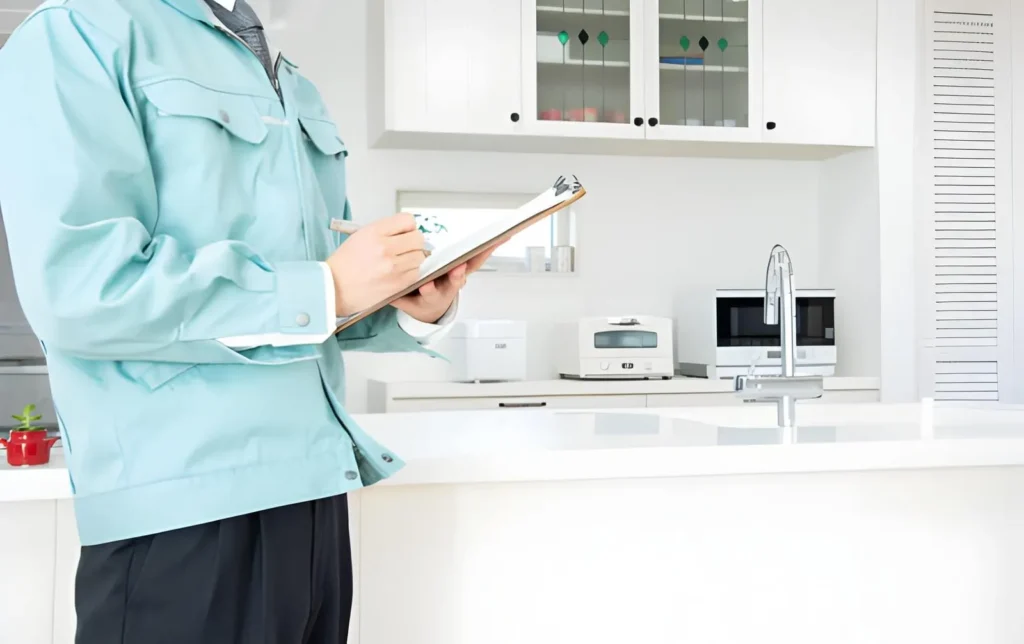
Begin by walking through your home and identifying the areas you maintain. Include interior rooms, exterior surfaces, major appliances, and essential systems.
Your initial inventory might cover:
- Roofing, gutters, and drainage.
- Plumbing fixtures and accessible pipes.
- Heating, cooling, and ventilation equipment.
- Windows, doors, and exterior seals.
- Kitchen and laundry appliances.
- Bathrooms, storage areas, and outdoor spaces.
Note each system’s age, condition, and service history where available. Consult equipment manuals for maintenance intervals. If you rent or belong to a homeowners association, clarify which responsibilities belong to you before adding them.
Inspect Before You Set a Schedule
A maintenance checklist should reflect your home’s current condition. Otherwise, you might schedule routine cleaning while overlooking an existing leak or damaged surface.
During your walkthrough, look for water stains, peeling paint, loose fittings, unusual odors, and visible wear. Check inside sink cabinets and around appliances that use water.
Record what you notice without assuming the cause. For example, write “brown stain on bedroom ceiling” instead of immediately deciding the roof needs replacement.
Separate existing problems from recurring maintenance. A dripping tap needs a repair entry, while checking under sinks belongs on your ongoing checklist. This distinction makes the plan easier to manage.
Organize Tasks by Frequency
Grouping jobs by frequency prevents your checklist from becoming one long, confusing list. Use monthly, seasonal, and annual sections, adjusting the timing to manufacturer instructions and local conditions.
| Frequency | Example Tasks |
| Monthly | Look for leaks, inspect filters, check visible moisture |
| Seasonally | Review drainage, inspect weather seals, clean accessible debris |
| Annually | Review service records, inspect exterior condition, plan larger repairs |
| As needed | Address storm damage, repair leaks, replace worn components |
These are starting points, not universal deadlines. A heavily used appliance or dusty environment may require more frequent attention.
Build a Short Monthly Routine
Monthly home maintenance works best when it takes a predictable amount of time. Choose a few useful checks instead of filling the list with unnecessary jobs.
Look under sinks for moisture, inspect appliance hoses you can safely access, and check bathrooms for persistent dampness. Review heating or cooling filters and clean or replace them according to the equipment instructions.
Include testing smoke and carbon monoxide alarms according to their manufacturer’s guidance. Record battery changes and replacement dates where applicable.
Set aside one regular time, such as the first weekend of each month. A consistent routine makes maintenance easier to remember and helps you notice changes before they become larger problems.
Adapt Seasonal Tasks to Your Climate
Seasonal maintenance should follow local weather patterns. Homes exposed to freezing temperatures have different needs from homes in hot, humid, or monsoon climates.
Before a rainy season, inspect accessible drainage outlets and look for places where water collects near the building. Check door and window seals for visible deterioration.
Before periods of heavy cooling or heating use, review equipment maintenance requirements and arrange servicing when needed.
After severe weather, inspect the property from a safe location for obvious damage. Avoid climbing onto roofs or using ladders in unsafe conditions.
Schedule outdoor work when weather permits, and move unfinished tasks forward instead of abandoning them.
Prioritize Problems by Consequence
Not every maintenance task deserves equal attention. A loose cabinet handle can usually wait longer than an active plumbing leak.
Use three simple priority levels:
- Urgent: Active leaks, suspected electrical hazards, or immediate safety concerns.
- Important: Deteriorating seals, recurring dampness, or equipment needing service.
- Routine: Cosmetic touch-ups, organization, and minor adjustments.
Consider what could happen if you delay each task. Issues involving water, electricity, structural movement, or essential equipment generally need prompt assessment.
If you are unsure whether a problem is serious, seek qualified advice. A checklist helps you organize observations; it cannot establish the cause of every defect.
Add Clear Instructions and Ownership
Vague entries are easy to postpone. “Check bathroom” gives you little direction, while “inspect under the bathroom sink for drips and damp patches” describes a specific action.
For each task, record:
- What needs doing.
- When it is due.
- Who is responsible.
- Any tools or supplies required.
- The completion date and findings.
If several people share the home, assign responsibilities clearly. One person might inspect plumbing while another manages appliance records. Clear ownership reduces the chance that everyone assumes someone else completed the job.
Plan Costs and Keep Records
Some maintenance requires only time, while other jobs need replacement parts or professional help. Add an estimated cost beside upcoming tasks so you can prepare.
Build your budget around your property’s condition rather than relying on a fixed spending rule. Older systems and overdue repairs may require more money than recently serviced equipment.
Keep receipts, warranties, inspection notes, and before-and-after photographs together. These records help you track recurring problems and avoid repeating work unnecessarily.
When a task uncovers a repair, create a separate entry with its priority, next step, and expected cost.
Choose a Format You Will Use
A practical home maintenance checklist can live in a notebook, spreadsheet, calendar, or task-management app. Choose whichever format you already check regularly.
Keep the layout simple. Include task, location, frequency, due date, status, and notes. Set reminders for important jobs, but avoid so many notifications that you start ignoring them.
Review the checklist every few months. Remove irrelevant entries, update equipment details, and adjust schedules based on what you observe.
The goal is steady, useful maintenance. A realistic checklist turns home care into a manageable routine and gives you a clearer picture of what needs attention next.
Also Read About : Small Kitchen Storage Ideas That Maximize Space